
Data Quality Check: Which Questions an Overnight Batch Actually Answered
An overnight batch can finish with a completion message while some questions were skipped, left blank or answered with low confidence. This article explains how to see which questions the batch actually answered, and how to act on the gaps before the morning review.
By EA Team
Contents
A bid manager starts a 240-question security questionnaire at six o'clock on a Tuesday evening, so the first draft is ready for the team the next morning. The batch finishes overnight and the job shows as complete. In the morning, the team opens the document and finds forty questions with no answer, a dozen with a note that the source was unclear, and three where the answer cites a policy that was superseded. The team had planned the morning around a clean draft, and the first hour goes on working out what the batch actually did.
The batch did what it was asked to do. The problem was that a completed job and a completed questionnaire look the same from the outside.
This article explains why a completion message can mislead, what a useful morning report has to contain, and how to act on the gaps in a sensible order. It also shows how EA records the source and status of each answer, so the morning check starts from facts and does not depend on reopening the document.
Why completion can mislead
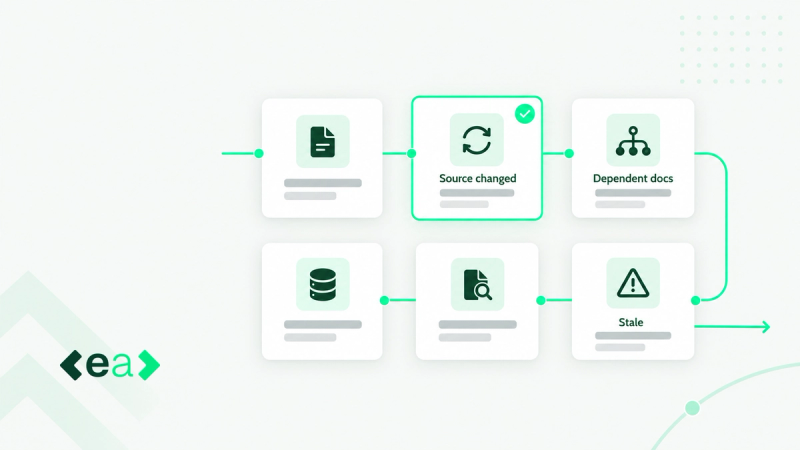
A batch job finishes when the process ends, and that can happen whether every question was answered or not. A question may be skipped because the source material did not contain the answer, because the wording was ambiguous or because the question sat in a section the job did not cover. A skipped question does not stop the batch, so the completion message carries no warning.
Confidence is a separate issue. An answer may be given, but the source behind it may be thin. A reviewer needs to see that as well, because a confident-looking answer on weak evidence is harder to spot than a blank.
What a useful morning report contains
The team needs three lists. The first is the answered questions, with their sources. The second is the unanswered questions, with the reason where it can be given. The third is the questions answered with low confidence, or with a source that needs checking. Those three lists turn an overnight run into a plan for the day.
Keep the lists in the document or record that the team uses, and not in a separate log that someone has to reconcile. The reviewer should be able to open a question, see its status and act on it in one place.
How EA shows what was answered
EA's Autofill completes questionnaires from approved evidence and shows citations, so each answered question carries its source. Answers have statuses, which show whether a response is drafted, under review or approved, and version history shows when each one last changed. Named reviewers and approvers can be assigned to the items the morning check finds, and reviewers can leave comments that record what was checked. Together, these make it possible to see which questions were answered, from which sources and by whom.
EA does not decide how confident a team should be in an answer, and it does not replace the subject expert who resolves a gap. What it provides is a visible record of each answer's state, so the morning review can start from the facts. For the review step itself, our article on how to chase overdue reviews without another round of reminder emails explains how to move items through review without repeated reminders.
Deciding what to do with low-confidence answers
A low-confidence answer is one where the source is thin, the wording is ambiguous or the question touches a judgement the batch cannot make. The team should not treat these as wrong, and should not accept them as right. The useful question is what evidence would settle them. Often the answer is a document the batch did not reach, or a short conversation with the subject expert.
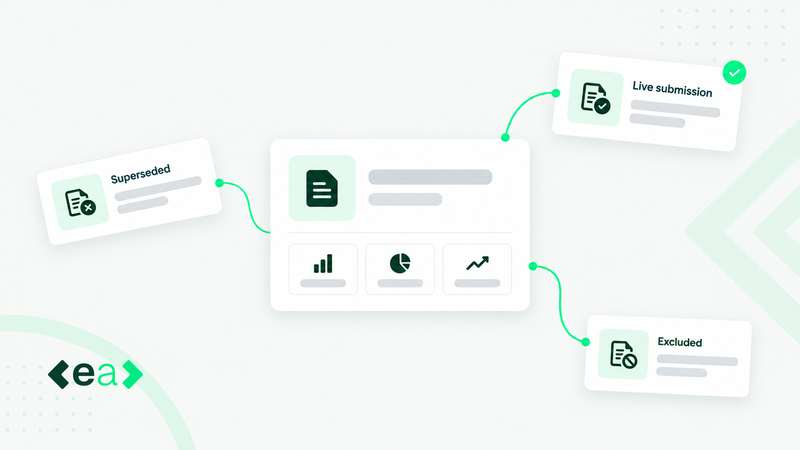
Set a rule for how these are handled. For example, any answer that cites a superseded source, or that relies on a single document for a commitment, goes to a named reviewer before it moves forward. The rule keeps the expert's time on the items that need judgement, and it lets the straightforward answers move without delay.
Items that need a subject expert should follow a clear route. Our article on routing tender questions to a specialist explains how to send each question to the person who can settle it, which keeps the morning list moving and stops it piling up in one inbox.
Acting on the gaps in order
Start with the unanswered questions. Decide whether each one belongs to a named subject expert, can be answered from a source the batch did not reach, or needs a clarification from the buyer. Assign each item to a person, with a time by which it should be resolved.
Next, check the low-confidence answers. Confirm the source supports the wording, and mark the answer as approved or as needing a change. The approved answers can then move forward, and the open items are visible to everyone on the team.
Running the batch with checkpoints
It helps to set expectations before the batch runs. Agree that a batch is not ready until the morning check has been completed, and that the submission plan depends on the three lists and not on the completion message. A short checkpoint, such as a fixed time for the first review, turns the batch into part of the normal bid rhythm.
Before the batch starts, confirm the source documents it needs are approved and current. A batch that runs against an outdated policy will produce answers that look complete and are wrong.
Judging whether the morning check is working
A morning check improves over time if the team looks at it. Note how many questions were unanswered and how many low-confidence answers reached the review. If the numbers fall over several runs, the source material is improving. If they stay high, the problem is usually a source gap or an unclear question set, and it is worth fixing before the next large questionnaire arrives.
Keep the check proportionate. A morning review that takes an hour for a 240-question batch is reasonable, while one that takes half a day suggests the lists need tightening. Record the time the check takes alongside the counts, so the team can see whether the review is getting faster as the source material improves. Our article on what tender response automation should actually automate sets out which steps suit automation and which still need a person's judgement, which is a useful reference when deciding where the morning time should go.
Where this leaves your overnight runs
An overnight batch saves time only if the team knows what it produced. A completion message is the start of the review, and not the end of it. Splitting the output into answered, unanswered and low-confidence lists, and acting on them in order, turns a long run into a clear morning plan. EA helps by showing citations, statuses, approvers and version history on each answer, so the team can see the state of the questionnaire before deciding what to do next.
Before your next overnight run, agree the three lists you will check each morning and the time you will check them. To see how Autofill citations and answer statuses appear on a questionnaire, open a completed draft in EA and look at its record.
Filed under RFPs, Tenders & Questionnaires, 27 November 2026All posts