

Invitations to tender · For bid managers and bid directors
Many authors. One plan. One closing time.
EA reads the invitation to tender (ITT), plans who writes what and drafts the standard sections from what you’ve already approved. Each expert gets a brief for their scored questions, and the assembled response comes back to your Bid Director to approve.
Try EA free. No card needed.

Organisations that run work on EA





The work
The pack arrives whole. The response arrives in pieces.
The pack needs taking apart
A tender issued in full and answered online can close 25 days after it opens. Before anyone writes, someone reads the instructions, the specification and the forms to list each question, word limit and owner.
A different owner for each section
CVs sit with resourcing, case studies with the account teams and the security schedule with IT, and each comes back in its own template.
Clarifications keep arriving
The buyer answers questions throughout the tender period, and an answer published in week three can change what three sections should say.
Take the pack apart and draft the standard sections in the first week, and nobody is merging documents the night before closing.
What EA does
From the tender pack to one approved response.
Shown on a council’s grounds maintenance tender. The scored answers stay with your writers; EA does the work around them.
01 / 06
- EA
Lists each question, form and requirement the buyer numbers or sets out in a table, with its word limit, any weighting the buyer publishes and its usual owner. EA Agent
Your teamThe Bid Manager adds any requirement buried in the specification’s prose, attaches the board’s bid decision and sets the Bid Director as approver.
- EA
Drafts the company information, policies, certificates, insurance, CVs and case studies from your approved answers, each beside its source, in the buyer’s own templates. Knowledge Library
Your teamEach section’s owner corrects the detail, and resourcing confirms who is on the proposed team.
- EA
Prepares a brief for mobilisation, social value and the other scored questions: what the buyer will mark against, the word limit, and the past answers and evaluator feedback nearest to it. EA Agent
Your teamThe Delivery Lead and the Head of Sustainability write their answers themselves, each from the brief EA sends them, and the Bid Manager sees what is still due.
- EA
Marks “Needs evidence” where nothing backs an answer, asks the Head of Sustainability for last year’s apprenticeship figures and follows up until they arrive, and flags a case study past the end date your team gave it. EA Agent
Your teamThe Head of Sustainability replies with the figures; the Bid Manager confirms the case study’s date and picks a current one in its place.
- EA
Redrafts each answer and brief the Bid Manager points it to, such as the site schedule when the buyer adds parks, and shows each redraft beside the clarification behind it, leaving the rest untouched. It also reminds the Bid Manager before the buyer’s clarification deadline. EA Agent
Your teamThe Bid Manager logs each clarification the buyer publishes, decides which sections it touches, and raises your own questions before the buyer’s deadline.
- EA
Puts the drafted sections and the finished scored answers in front of the Bid Director with their sources, then writes the approved text into the buyer’s response documents. Where the buyer’s portal asks questions field by field, the Browser Plugin fills the fields it can match and leaves the rest, and the submit button, to your team. Approvals Browser Plugin
Your teamThe Bid Director approves. The pricing schedule and contract mark-up go in as finance and the Head of Legal supplied them, and the Bid Manager uploads the response and submits it.
A scored question, briefed for your expert while you watch.
Book a demoAfter the award
Win or lose, the next tender starts from this one.
The buyer’s feedback, kept
The assessment summary is filed beside the scored answers it judged, so whoever writes the next mobilisation answer reads what the evaluators said.
Standard sections, carried forward
This tender’s approved company and policy answers become the next one’s first draft, and owners look again only at what has moved since.
The re-tender
When the contract comes back to market, the original response, its clarifications and the commitments it made are the file EA starts from.
EA’s own security
Your pricing stays with the people who set it.
A tender holds the buyer’s documents and your commercial position, so access follows the names you add.
- Hosted your way
EA’s cloud in a region you choose, hybrid options or on-premises. Data never used to train the models EA runs on.
- Access
Single sign-on, which you can enforce, and an access list for each workspace.
- Support access
EA staff see your data only in a time-limited window you open.
- Testing
An independent firm runs a penetration test on EA every year.
- Security contact
EA’s security team is at security@eaglobal.ai.

Open the demo tender as a section writer, and see the pricing schedule stay closed to you.
Book a demoWhy EA for tenders
Weighed against the usual ways.
| Compared with | What it does well | What EA adds |
|---|---|---|
| Your own bid library | You know which past answers scored well and who wrote them. | EA drafts from that library into this buyer’s templates and briefs each writer, so the knowledge works on the tender rather than in a folder. |
| A bid consultancy | Brings craft, an outside eye and extra hands for the scored questions. | EA prepares the standard sections and the evidence the consultant would otherwise ask your team to find. |
| Request for proposal (RFP) software | A mature answer library and a workflow built for responses. | EA works the live tender: a brief for each scored question, “Needs evidence” where an answer has no support, and the sections you point it to redrafted after each clarification. |
FAQ
Questions from bid managers.
Whatever the instructions to tenderers ask for, in the buyer’s own documents: usually the form of tender, pass or fail sections on your company, policies and insurance, scored quality answers each with a word limit and a weighting, the pricing schedule and any contract mark-up. On a council’s grounds maintenance tender, that might include a 750-word mobilisation plan for the first 90 days, scored against the buyer’s published award criteria.
The buyer, against the award criteria in its pack. Your team uploads and submits the response, and the buyer’s assessment summary of your tender, and of the winning one if different, comes to you before it publishes the award notice. EA keeps it beside the scored answers it judged, for whoever writes the next one.
EA drafts the standard sections from approved material, with the source beside each, and leaves commitments to your writers. If the specification asks for a supervisor on site each working day and no approved answer says you staff contracts that way, EA marks it “Needs evidence” for the Delivery Lead instead of writing the promise.
Only the people you add to it. It goes in as your Finance Director supplied it, and you can restrict it to finance and the Bid Director while the rest of the team works on the other sections.
Yes. They write the scored answers with your experts, starting from EA’s briefs, the drafted standard sections and the evidence, so their days begin with your material rather than a request list.
Yes. Recent responses, the buyers’ feedback, your policies and certificates and your CVs and case study libraries are where EA starts; our Customer Success team helps with exports from other platforms. Plans differ by the number of autofills, the workspaces you need and the size of your knowledge library; see the pricing page.
Only if the tender asks. Under procurement policy note (PPN) 017, issued in February 2025, central government buyers may ask whether AI was used and how its output was checked, and that question isn’t scored. The Civil Service guidance on it says suppliers’ use of AI isn’t prohibited, and asks buyers to weigh its risks as they would a bid writer’s. Other buyers set their own terms. In EA you can point to the source and the approver behind each drafted section.


Your next ITT, without taking the pack apart by hand.
Part of a tender pack, to your Bid Director’s approval.
Before, beside and after the tender.
Related solutions
- Selection questionnairesThe participation stage before an ITT, answered from the same company records.Bids and tenders
- Compliance matricesThe requirement-by-requirement statement many ITTs ask you to return with the response.Bids and tenders
- Bid/no-bid and clarificationsThe go or no-go record before the plan, and the questions you put to the buyer.Bids and tenders
By industry
 Public sector and defenceCouncil and departmental tenders, where social value carries real weight in the scoring.
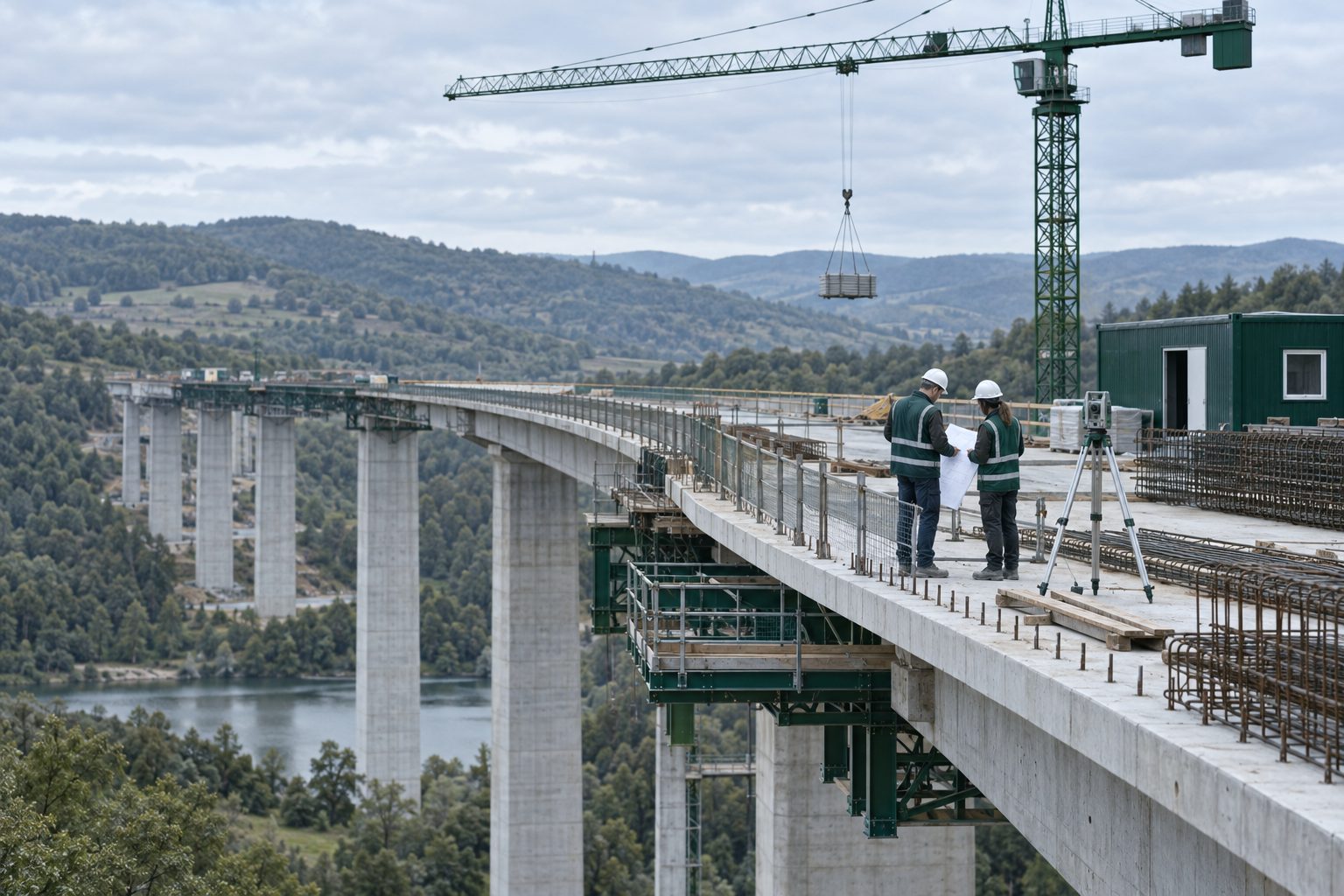 Construction and infrastructureWorks tenders where the health and safety file is half the standard pack.
 ConsultingFramework call-offs where the proposed team’s CVs are the heart of the standard sections.