

EUDR · For suppliers of cocoa, coffee, palm oil, rubber, soy, wood and cattle
Where it was grown, for every shipment that sails.
Your EU customers want the farms, plots and harvest dates behind each consignment, in their own format. EA drafts each file from your sourcing records, asks your field team for the location of each farm without one, and fills the customer’s template once your Head of Sustainability approves.
Try EA free. No card needed.

Organisations that run work on EA





The work
Origin is proved one container at a time.
Plot by plot
A single container of beans can come from dozens of smallholdings, and your customer needs the location of each one, not a sample, matched to the weeks it was harvested.
The records sit up the chain
Farm lists with the cooperatives, plot files with your field team, permits with Legal Counsel. The people who hold them are out buying the next harvest.
30 December is close
The European Union’s Deforestation Regulation (EUDR) applies to large and medium operators and traders from 30 December 2026, and your EU customers want each consignment’s file before it ships, not once it lands.
EA assembles each consignment’s file from the records your field team already keeps, and the customer has it before the ship leaves port.
What EA does
Each farm behind the container, on one approved file.
A cocoa exporter’s 24-tonne shipment for one EU chocolate maker, from the customer’s template to the file it receives before the beans are loaded.
01 / 06
- EA
Reads the customer’s template or portal page, which consignment it covers and when the file is due, and lists each item asked for: commodity, net weight in kilograms and its Harmonised System (HS) code, country, plots, harvest dates, legality documents. Autofill
Your teamThe Traceability Manager confirms the consignment and the contract it ships under; the Logistics Coordinator confirms its net weight and sailing date.
- EA
Drafts the consignment’s plot list from your sourcing register and purchase records, one row for each plot with its farm, location and harvest weeks, and the plot file attached as your field team recorded it. Knowledge Library
Your teamThe Sourcing Manager checks the list against what was bought, lot by lot.
- EA
Marks “Needs evidence” on two farms with no plot file on record and on any plot whose harvest weeks are missing from the purchase records, sends the field team a request naming the farms, their cooperative and the sailing date, and follows up. EA Agent
Your teamThe field team sends the locations and harvest weeks back, and the Sourcing Manager sees what is still due and adds them to the register.
- EA
Flags legality evidence past its date, such as a cooperative’s certificate that expired in August, and asks the Certification Manager for one that’s in date, following up until it arrives.
Your teamThe renewed certificate comes back from the Certification Manager, or the Head of Sustainability decides what the file can say without it.
- EA
Lays out each item with where it came from and who supplied it, and drafts a covering note listing the farms, the harvest window and the documents the legality evidence rests on. Approvals
Your teamThe file goes when the Head of Sustainability has approved it and the note. The calls on deforestation and legality stay with your team and your customer.
- EA
Enters the approved file in the customer’s spreadsheet, with the plot files ready for your team to upload, or completes their portal page with the browser plugin. Browser Plugin
Your teamYou send it or press submit, and your customer files its due diligence statement.
See a consignment file put together from your own sourcing records.
Book a demoThe next consignment
The same farms, season after season.
The next shipment
Farms approved for one consignment are ready for the next one they supply, so the only requests EA sends are for farms that are new.
Another buyer
A second EU customer’s request draws on the same approved farm records and documents, laid out in that customer’s own format.
A new harvest
When the season turns or a cooperative’s membership changes, EA asks the Sourcing Manager to confirm the records that depend on it.
- Item
- Farm 12, plot location
- Recorded by
- The field team
- Approved by
- Head of Sustainability, 2 November
- Used in
- 4 consignments
EA’s own security
Your farm register, and the people you let read it.
A consignment file names farmers and puts their land on a map, so it needs careful keeping.
- Hosted your way
EA’s cloud in a region you choose, hybrid options or on-premises. Data never used to train the models EA runs on.
- Access
Single sign-on, which you can enforce, and an access list for each workspace.
- Support access
EA staff see your data only in a time-limited window you open.
- Testing
An independent firm runs a penetration test on EA every year.
- Security contact
EA’s security team is at security@eaglobal.ai.
In the demo, see who on your team can open the farm register, and what reaches each customer.
Book a demoWhy EA for EUDR requests
A located plot is where each customer’s file begins.
| Compared with | What it does well | What EA adds |
|---|---|---|
| A farm list and a folder of plot files | Your field team built it and knows each cooperative in it. | Each customer’s request is drafted from it farm by farm, and the field team is asked for each farm still missing a location. |
| Traceability and mapping software | Records plot locations in the field and checks them against forest maps. | Starts each consignment’s file from the plots it has mapped, adds the harvest dates, certificates and permits it doesn’t hold, and keeps the Head of Sustainability’s approval with the file. |
| Your cooperatives’ and certification scheme’s records | Hold member farms and audited plot data for the lots they cover. | Brings their records together with your own for each consignment, and carries the reference numbers of any upstream due diligence statements into the customer’s request. |
FAQ
What exporters ask before the first consignment.
The data behind each consignment that your customer needs for its due diligence statement: the commodity and quantity, the country of production, the location of each plot it came from, the date or range of harvest, evidence it was legally produced, and the reference numbers of any upstream statements. Your customer has to show the land was not deforested after 31 December 2020, which is why each plot’s location and harvest dates must reach it. Large and medium operators and traders need it from 30 December 2026, and most micro and small ones from 30 June 2027, before the goods are placed on the EU market.
Your EU customer, as the operator. It assesses the risk from the information you send and files the due diligence statement; your team stands behind the data and documents in the file, and EA puts them together.
EA attaches only the plot files your team has recorded. Lots from a new supplier that arrive with no farm list go on the “Needs evidence” list, each lot named, and EA asks the field team for the farms behind them; the file waits for your Head of Sustainability.
Your team chooses: the colleagues on the workspace, and the one customer each file is sent to, which sees the farms behind its own consignment. Read how EA protects your data.
Your consultant advises on risk and on the systems you need. Drafting each customer’s request, consignment by consignment, from what you hold, and filling it in once it’s approved, is the part EA takes on.
Yes. Hand EA your farm register, plot files, certificates and permits as you hold them today, and our Customer Success team helps with exports from other platforms. Plans differ by the number of autofills, the workspaces you need and the size of your knowledge library; see the pricing page.


Your next consignment, without retyping the farm list.
One consignment, to your Head of Sustainability’s sign-off.
Other requests from the same EU buyers.
Related solutions
- Modern slavery and human rights due diligenceBuyers who ask where the cocoa grew also ask who farmed it.Supplier assurance
- CSDDD and LkSGGerman and European customers’ due diligence questionnaires and codes, answered from the same sourcing records.Supplier assurance
- Supplier ESG requestsSustainability questionnaires from the same buyers, drawing on the same certificates and sourcing policy.Supplier assurance
- CBAMEmbedded-emissions data, for plants making steel, aluminium, cement and fertilisers whose customers import into the EU.Supplier assurance
By industry
 Manufacturing and consumer goodsMakers of chocolate, tyres, furniture and leather goods, whose EU customers ask for the origin behind them.
 Public sector and defenceSelection questionnaires, declarations and the carbon reduction plan, signed off by the right director.
 Banking and building societiesThe operational resilience self-assessment and supplier reviews, attested by name.
 Asset and investment managementInvestors’ DDQs, operational due diligence and the Principles for Responsible Investment report.
 InsuranceBroker questionnaires, Lloyd’s confirmations and the own risk and solvency assessment.
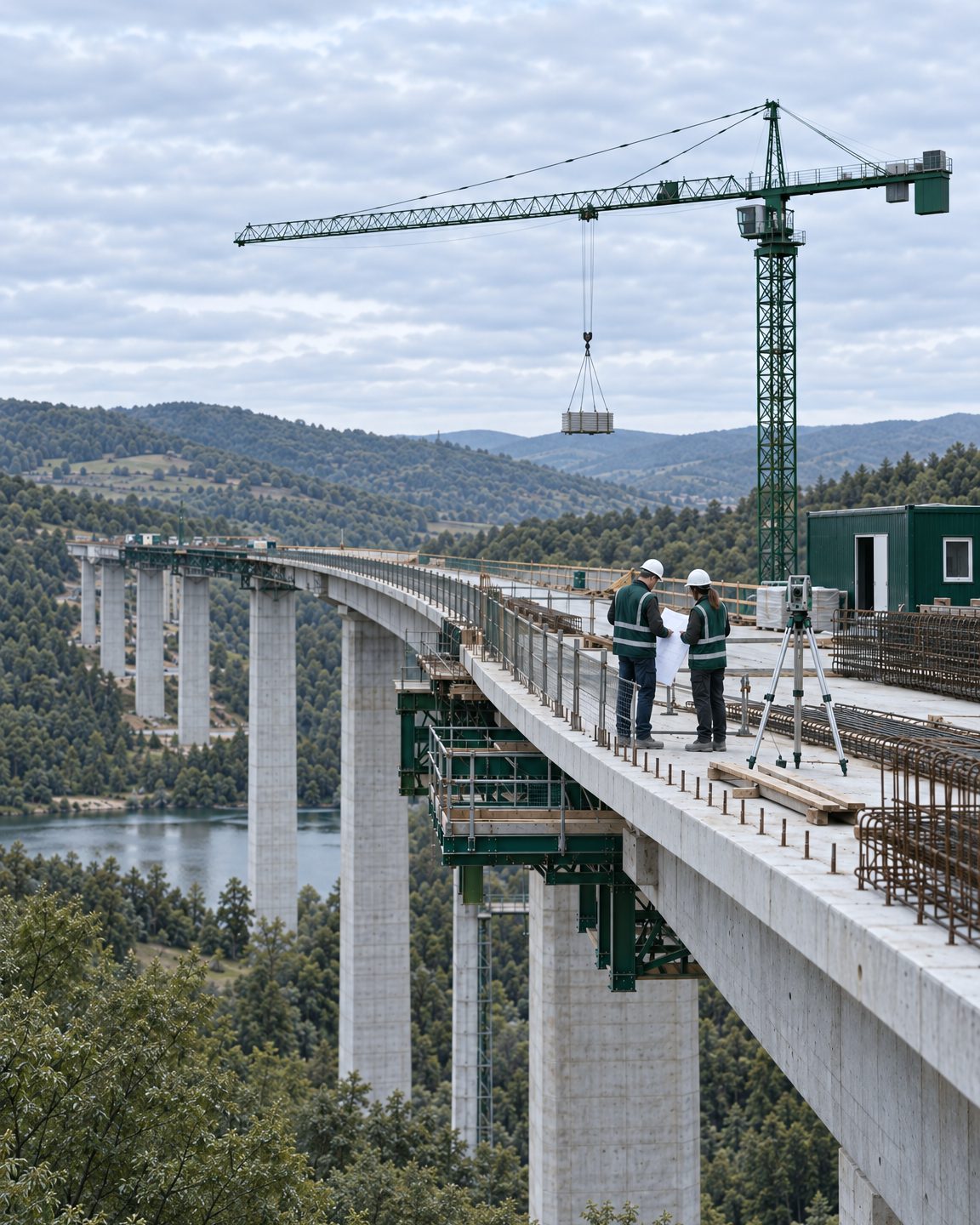 Construction and infrastructureScheme renewals, prequalification and ISO evidence, including international engineering, procurement and construction projects.
 Energy and utilitiesThe CSRD statement, CDP, regulator returns and the network and information security self-assessment.
 Healthcare and life sciencesPharma customers’ supplier questionnaires and the NHS data security toolkit.
 SoftwareCustomers’ security questionnaires and your own SOC 2 evidence.
 Legal firmsPanel questionnaires, the professional indemnity renewal and Lexcel evidence, signed off by a partner.
 Accounting firmsClients’ security questionnaires and the firm’s anti-money laundering return.
 ConsultingClients’ vendor due diligence, framework tenders and the certificates behind them.