


Sustainability reporting, from last cycle’s approved evidence
Your reporting date won’t move. Your starting point can.
The CDP response, the CSRD statement and each customer’s EcoVadis invitation draw on figures held by finance, facilities and HR. EA starts each one from what was approved last cycle, asks every data owner only for what has changed, and brings each section, with its sources, to your Head of Sustainability.
Try EA free. No card needed.

Organisations that run work on EA





Every year, the same questions about a different year.
Dates you don’t set
CDP closes its scored responses in September, the statement goes out with the annual report, and an EcoVadis reassessment lands whenever a customer asks for it.
Figures held elsewhere
Energy use sits with facilities, spend with procurement, headcount with HR and the assured numbers with finance, and each team closes its own books first.
One story, many shapes
The assurer wants a figure’s source, CDP wants it in its own questionnaire, and a customer wants it in a spreadsheet. The evidence is the same; the asking never is.
Most of this year’s answer is last year’s, with new figures. EA carries over what still holds and asks for the rest, so the team spends its days on the changes and the judgement calls.
One body of evidence, two deadlines
Last year’s response, brought up to date.The assurer picks a figure. You already know its story.
The CDP questionnaire opens with last year’s approved response already on file. EA works from it, asks for this year’s figures and redrafts only the answers they change.
Your sustainability statement goes to limited assurance, and the assurer samples figures to test. Because each one was linked to its source while it was drafted, EA answers the sample from the trail it already holds.
01 / 04
- EA
Matches each of this year’s questions to last year’s approved answer and marks the ones whose figures or policies have changed since. Knowledge Library
Your teamThe reporting lead confirms the reporting boundary and year.
- EA
Asks facilities for meter readings, procurement for supplier spend and finance for the assured energy cost, each with only their questions and a date ahead of CDP’s. EA Agent
Your teamOwners reply by spreadsheet or email; each figure arrives with its source file.
- EA
Redrafts the changed answers from the new figures and keeps each figure linked to the file it came from. Where a figure is missing, EA says so. Autofill
Your teamSection owners read their drafts beside the sources.
- EA
Lays the approved answers out in the questionnaire’s own order, each with its source, ready to enter on CDP’s portal. Approvals
Your teamThe Head of Sustainability approves each section; your team enters the response, pays CDP’s fee and submits.
01 / 03
- EA
Reads the assurer’s list of sampled datapoints and matches each to the figure in the statement, its source file and the person who confirmed it. Knowledge Library
Your teamThe reporting lead forwards the assurer’s request.
- EA
Flags the sampled figure whose source was a spreadsheet nobody approved, and asks its owner for the calculation behind it. EA Agent
Your teamThe facilities lead supplies the meter export and the method.
- EA
Assembles the sample’s evidence, each item with its source and owner, and shares it with the assurer by a link that expires after fieldwork. Approvals
Your teamThe Head of Sustainability approves the pack; the assurer forms its own opinion.
See last year’s CDP response become this year’s first draft, with the changed figures already asked for.See a sampled figure traced from the statement back to the file and person it came from.
Book a demoBeyond the two deadlines
The ratings, the gaps and the calendar, in one place.
- AutofillFrom approved answers
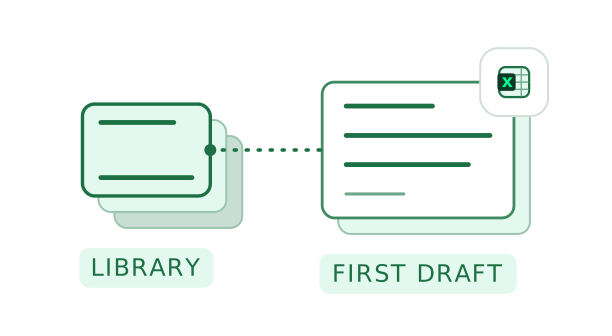 01
EcoVadis and customers’ questionnaires
When a customer sends an EcoVadis invitation or its own supplier survey, EA answers from the policies and figures you’ve already approved, so each customer hears what your report says.
- Gap AnalysisEach gap to its owner
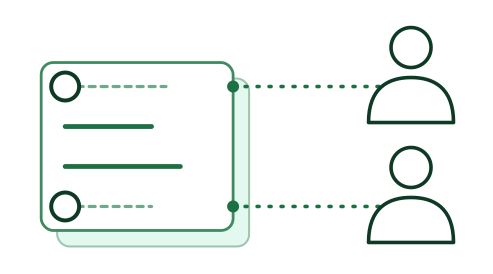 02
Gaps found before the deadline
Run a CSRD gap analysis against the European Sustainability Reporting Standards (ESRS), or a check of your CDP response, and each missing datapoint goes to the person who holds it.
- Knowledge LibraryEach date with an owner
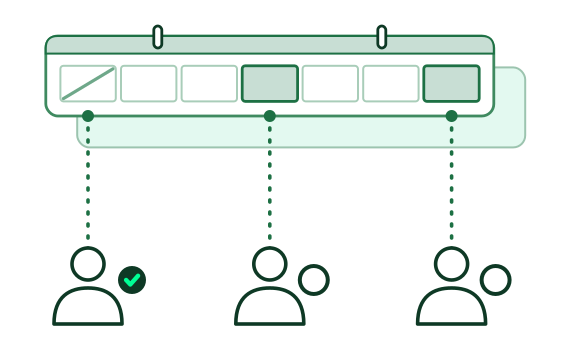 03
The reporting year, each date with its owner
CDP’s window, the statement with the annual report and each customer’s reassessment sit on one calendar, and each owner is asked for their figures ahead of the date that needs them.
Why EA for the reporting team
How the cycle runs now, and what EA adds.
| Compared with | What it does well | What EA adds |
|---|---|---|
| Spreadsheets and email | Flexible, familiar and already holding last year’s figures. | Keeps the spreadsheets as they are and adds what they can’t hold: who confirmed each figure, from which file, and when. |
| A sustainability consultant | Brings method, benchmarks and judgement on materiality. | Keeps the advice with them and brings the legwork in-house: the drafting, the evidence and the asking, kept for next year. |
| An ESG data platform | Collects and calculates your environmental data. | Works from its figures to draft the CDP answers, the statement’s narrative and customers’ questionnaires, each with its source. |
| A general AI assistant | Drafts a paragraph about a policy you paste in. | Drafts from your approved evidence across the business and takes each section to the person who signs it off. |
EA’s own security
Unpublished figures, behind controls you can check.
Until the report is out, your emissions, spend and targets are market-sensitive. These are the controls around them.
- Hosted your way
EA’s cloud in a region you choose, hybrid options or on-premises. Data never used to train the models EA runs on.
- Access
Single sign-on, which you can enforce, and an access list for each workspace.
- Support access
EA staff see your data only in a time-limited window you open.
- Testing
An independent firm runs a penetration test on EA every year.
- Security contact
EA’s security team is at security@eaglobal.ai.


See a reporting workspace limited to finance, facilities and your team, under your own single sign-on.
Book a demoThe work you’ll hand EA
Disclosures, ratings and the questions customers send.
Each page follows one piece of this work through EA, from last cycle’s evidence to the copy your team sends.
Disclosures
- CSRD gap analysisYour sustainability statement checked against the ESRS, each gap taken to the person who can close it.With the annual report · limited assurance

 CDPThe integrated climate, water and forests questionnaire, started from last year’s response and feedback.Yearly · scored responses in September
- Double materialityThe write-up and evidence behind the assessment your team runs.Before the statement · revisited as the business changes

 Climate disclosures for investorsReports under the International Sustainability Standards Board (ISSB) standards, from the same climate evidence.With the annual report
Ratings and certifications

 EcoVadisThe questionnaire and the documents behind your rating, matched answer by answer.When a customer invites you · reassessed yearly
- ESG ratingsThe data reviews rating agencies send before they publish your score.On each agency’s cycle
- B CorpThe B Impact Assessment and its evidence, if you choose to certify.When you certify or recertify
Customers and the value chain
- Customers’ ESG requestsCarbon and sustainability questionnaires from the customers you supply.From customers · through the year

 Carbon targets and reduction plansThe write-up behind the targets you set, and the plan public buyers ask for.When targets are set or reviewed
- Modern slavery statementThe yearly statement and the human rights questions customers ask about it.Each financial year
FAQ
What sustainability leads ask first.
Yes. EA matches this year’s questions to last year’s approved answers, asks each data owner for the figures that have changed, and redrafts only what needs it. If your Scope 2 method stayed the same but the meter readings moved, the answer keeps its wording and takes the new figure, with its source file.
Each figure is linked to the file it came from and the person who confirmed it. If a figure isn’t on file, EA says so in the draft and asks the person who holds it, with a date.
Your Head of Sustainability, or whoever you name. Data owners confirm their own figures first. Where the board approves the statement, the signed copy is attached to that approval.
The set you report against. The revised ESRS apply to financial years starting on or after 1 January 2027, and companies may use them for 2026 or keep to the first set, saying which. EA maps your evidence to the set you choose.
Upload them as they are, or connect the SharePoint, OneDrive or Google Drive folders that hold them; EA works from them where they sit. Our Customer Success team helps with exports from other platforms. Plans differ by the number of autofills, the workspaces you need and the size of your knowledge library; see the pricing page.


Your next reporting cycle, from where this one ends.
This year’s CDP response, to your Head of Sustainability.
Reporting teams in these sectors start here.
 Energy and utilitiesCSRD, CDP and the regulator’s figures, from one set of approved numbers.
 Manufacturing and consumer goodsCustomers’ EcoVadis invitations and carbon questionnaires, site by site.
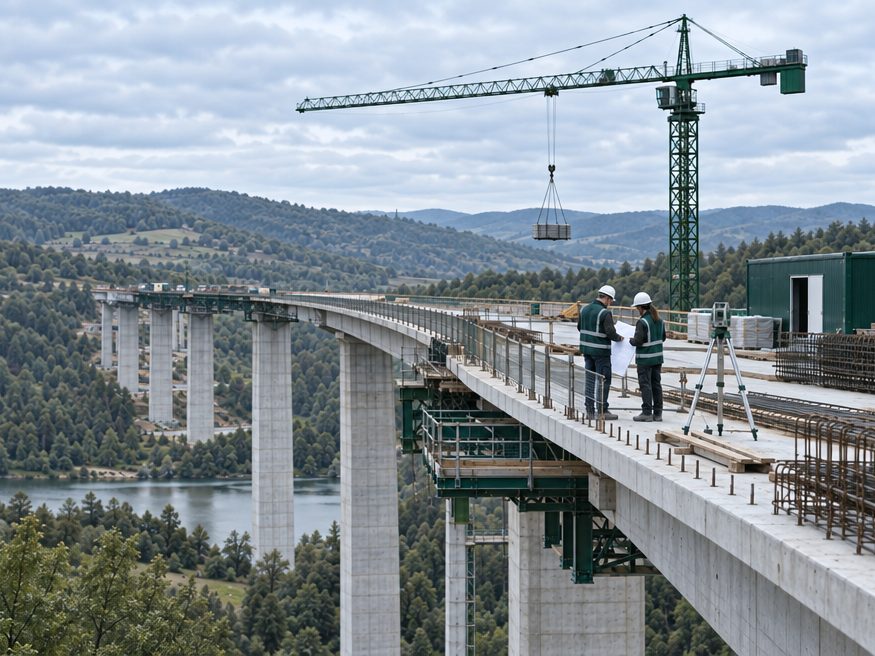 Construction and infrastructureCarbon reduction plans and ESG sections in every tender.
 Healthcare and life sciencesSupplier sustainability questionnaires from health systems and partners.