

RFP and tender responses · For bid managers and the teams behind each response
Save your best writing for the questions that score.
EA takes on the rest of each bid, tender and request for proposal (RFP): the selection questionnaire, the request for information, the compliance matrix and the tender’s standard sections. It drafts them from what you’ve already approved, asks the owners for what has changed, and brings each response to the director who approves it, your Bid Director for a tender.
Try EA free. No card needed.
Organisations that run work on EA





The work you hand EA
From the buyer’s first question to the full response.
Bid work comes in the order a procurement runs: early requests, then selection, then the full response. Open the piece in front of you to see how EA runs it, from the buyer’s documents onwards.
Early requests
- Business casesThe business case a buyer’s champion takes to its finance committee, each benefit traced to the buyer’s figures or your case studies.Approved by your Commercial Director · before the committee meets
- RFIs and RFQsA buyer’s request for information (RFI) answered from your capability material, and the request for quotation (RFQ) built around prices your team has already set.Approved by your Commercial Director · due in days
- Bid/no-bid and clarificationsThe tender’s requirements set against what you can evidence for your go or no-go call, the clarification questions you put to the buyer, and a courteous decline if you pass.Approved by your Bid Director · before the bid board meets
Selection and frameworks
- Selection questionnaires (PQQ, SQ, PSQ)The Procurement Specific Questionnaire (PSQ), the older Selection Questionnaire (SQ) or a contractor’s pre-qualification questionnaire (PQQ), filled from your company records, with each declaration set out for your Head of Legal.Approved by your Bid Director · each participation period
- EOIs and framework applicationsYour expression of interest (EOI) and the selection answers a framework asks for, with each lot’s scored questions briefed for the experts who write them.Approved by your Bid Director · when the framework opens
- G-Cloud and dynamic markets (DPS)Service definitions and declarations for G‑Cloud, and the entry answers for a dynamic market or a legacy dynamic purchasing system (DPS), from your product and security documents.Approved by your Commercial Director · each G‑Cloud reopening
The full response
- RFP shreddingA buyer’s pack broken into a requirements list that keeps the buyer’s references, and a response plan with an owner and a date for each part.Approved by your Bid Director · at each kick-off
- ITTsAn invitation to tender (ITT) with its standard sections drafted from your approved answers, and a brief for each scored question’s writer.Approved by your Bid Director · by the closing time
- Compliance matricesA status for each of the buyer’s requirements, pointing to the evidence behind it and the part of your response that meets it.Approved by your Delivery Director · with the tender
- Proposals and SOWsThe proposal and the statement of work (SOW) that follows it, built from past engagements, with your team setting scope, fees and terms.Approved by your Engagement Lead · each engagement
Answers you’ve given before, asked again in new words.
Each pack in its own order
Insurance, accounts, ISO certificates and the modern slavery statement turn up in each pack, phrased and ordered the way this buyer prefers.
Experts on live contracts
The delivery leads who write the method statements are running today’s contracts, and each tender borrows their week.
The buyer sets the clock
The clarification deadline and the closing time are fixed before you open the pack, and they don’t wait for the other bids on your desk.
When the standard sections arrive already drafted, each expert has their brief while the closing date is still weeks away.
Why one EA for all of it
A bid library the bids keep current.
Early answers, later bids
What you told a buyer at market engagement is where EA starts when that buyer’s tender arrives months later.
Change it once
When your Finance Director updates the accounts for one bid, the next PSQ, framework application and G-Cloud listing draw on the new figures.
Feedback the next brief starts from
The buyer’s assessment summary sits beside the answers it marked, so the next writer of that question starts from what the evaluators scored and why.
How it works
Whatever the buyer calls it, EA runs it the same way.
- 01
EA reads the buyer’s pack
EA AgentIt lists each question, word limit and deadline, and each requirement the buyer numbers or sets out in a table, keeping the buyer’s numbering. Your Bid Manager adds any buried in the prose and confirms the list.
- 02
EA drafts the parts you know by heart
Knowledge LibraryCompany facts, policies, certificates and case studies come from your approved answers with their sources, and anything unsupported is marked “Needs evidence”.
- 03
Each owner gets their part
EA AgentOne ask per person, sent by EA with follow-up: figures to finance, declarations to the Head of Legal, and for each scored question a brief its writer can work from.
- 04
The approver you name signs off
Approvals Browser PluginThey see each answer beside its source. EA then writes the approved text into the buyer’s own documents, or the supported fields of its portal, and your team submits.
Watch EA turn a tender pack into drafted sections and expert briefs.
Book a demoEA’s own security
Bid material, open only to the people you choose.
- Hosted your way
EA’s cloud in a region you choose, hybrid options or on-premises. Data never used to train the models EA runs on.
- Access
Single sign-on, which you can enforce, and an access list for each workspace.
- Support access
EA staff see your data only in a time-limited window you open.
- Testing
An independent firm runs a penetration test on EA every year.
- Security contact
EA’s security team is at security@eaglobal.ai.


FAQ
What bid teams ask first.
Your experts and bid writers, as now. For each scored question EA prepares a brief: the question, its weighting and word limit, the buyer’s scoring guidance, and the past answers and assessment summaries closest to it. Once the answer is written, EA can bring it to the word limit, showing the change before it applies.
Each drafted answer shows its source. If a tender asks how many of your fleet vehicles are electric and no record says, EA marks the answer “Needs evidence” and asks your Head of Sustainability for the figure.
Whoever you name for each piece: often the Bid Director for a tender or a selection questionnaire, with the director’s signed declaration attached to that approval, and the Commercial Director for a quote. EA keeps the approver and the date with each answer, which makes it simple to tell a public buyer how AI was used in your bid if it asks.
Yes. Start from past responses, certificates, policies and case studies as they stand, uploaded or connected from the SharePoint, OneDrive or selected Google Drive folders that hold them. If they’re held in questionnaire and RFP software, our Customer Success team helps with exports from other platforms. Plans differ by the number of autofills, the workspaces you need and the size of your knowledge library; see the pricing page.
Usually. A law firm’s panel review or a legal directory submission draws on the same people and past answers, so EA reads and drafts it as it would a tender. Grant and award applications have their own pages.


Your next bid, without starting the familiar sections from scratch.
A PSQ and a tender from one library, to your Bid Director.
Where bid work runs heaviest.
 Public sector and defenceSelection stages and framework entries for each public buyer you supply, with declarations a director makes.
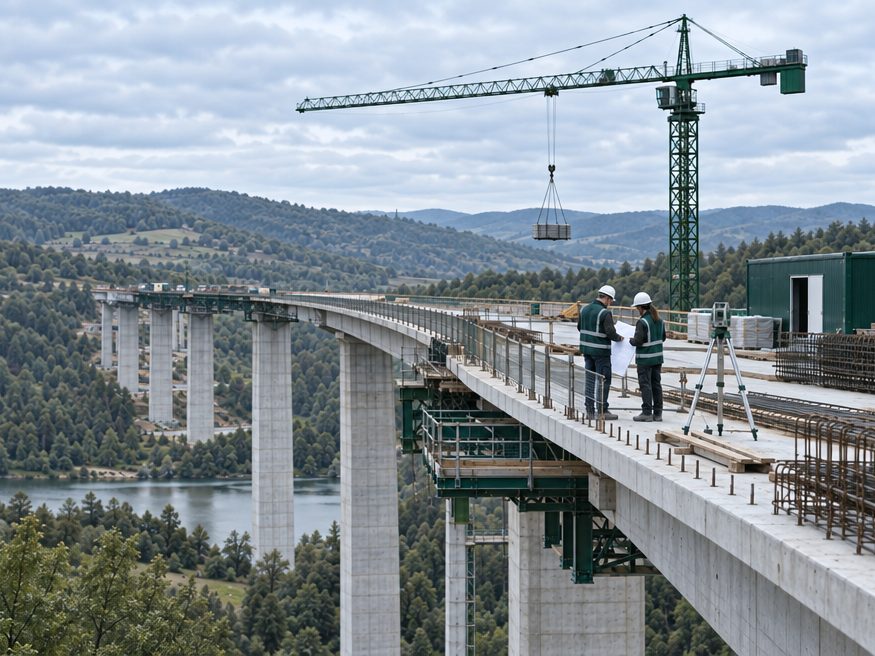 Construction and infrastructurePublic tenders alongside each main contractor’s prequalification, drawing on the same insurances and accident records.
 ConsultingFramework re-tenders and client proposals, with each method section waiting on a partner busy with client work.
 Legal firmsPanel reviews, when a client re-tenders its law firms every few years.