
For quality, sustainability and compliance leads in manufacturing and consumer goods
Every customer wants proof. Your sites already have it.
EA takes on what your customers ask of the business: their supplier questionnaires and the conflict minerals template, drafted from what you’ve already approved. Each gap goes to the site that holds it, and the finished file comes back to the person who signs.
Try EA free. No card needed.


Organisations that run work on EA





The problem
One customer’s questionnaire reaches every plant.
One code of conduct per customer
Each retailer and brand builds its questionnaire around its own supplier code. Much of it repeats what another customer asked in the spring, and each holds you to what you told it.
Every plant holds a piece
A single questionnaire needs injury rates, certificates and right-to-work checks from each plant, and a manager at each one stops to find them.
The dates are the customer’s
Retailers want the Sedex self-assessment kept current, carmakers their sustainability questionnaire, electronics customers this year’s conflict minerals template. None of them waits for the others.
A customer’s questionnaire stalls in three places: finding what you said last time, getting each site’s figures and getting a director to sign. EA starts from the answer you last approved, asks each site only for what it still owes, and sets the evidence beside each answer, so the Operations Director can sign without sending it back round the plants.
What EA does
Their questionnaire. Your evidence. One director’s sign-off.Last year’s declaration carries forward. The changes come to you.
A retailer’s supplier questionnaire arrives as a spreadsheet built around its code of conduct, with a date it’s due back. EA prepares the answers plant by plant; the Operations Director signs what goes back.
Electronics, automotive and industrial customers ask for the conflict minerals reporting template, the Responsible Minerals Initiative’s spreadsheet on tin, tantalum, tungsten and gold, usually once a year and in the version they name. EA prepares it; your Product Compliance Manager signs as authoriser.
01 / 06
- EA
Reads 112 questions across labour, health and safety, environment and ethics, notes the plants in scope and the due date, and keeps the customer’s layout.
Your teamThe Key Account Manager forwards the customer’s email; the Head of Quality agrees who will approve.
- EA
Drafts from the Knowledge Library: group policies, each site’s certificates, last year’s Sedex self-assessment and answers already given to other customers, with the passage behind each answer beside it.
Your teamSection owners confirm each draft is true for their site.
- EA
Marks 16 answers “Needs evidence”, such as an ISO 14001 certificate that has expired at one plant, and groups them by the person who holds each one.
Your teamEach site lead gets a short list of their own site’s gaps.
- EA
Sends each owner one message in Microsoft Teams with their questions and the date, follows up on any left open, and files each reply as an answer under that person’s name.
Your teamSite leads reply from the plant; the Head of Quality sees which replies are still due.
- EA
Puts each answer beside its source and reviewer, and sends any answer edited after approval back for approval again.
Your teamSite and function owners review their sections; the Operations Director approves the whole response.
- EA
Completes the customer’s spreadsheet in its original layout, and leaves the code acknowledgement for the director to sign.
Your teamThe Operations Director signs the acknowledgement; the Key Account Manager returns the file, or uploads it to the customer’s portal.


01 / 04
- EA
Finds the template version and the declaration scope the customer asked for, and opens last year’s signed declaration beside it.
Your teamThe Product Compliance Manager confirms the scope.
- EA
Drafts the company-level answers on policy, due diligence and supplier engagement from last year’s declaration and your responsible minerals policy.
Your teamThe Product Compliance Manager checks what has changed since last year.
- EA
Marks “Needs evidence” where this year’s supplier templates aren’t all in, and asks the Procurement Lead which suppliers are still outstanding.
Your teamProcurement collects the missing templates; Product Compliance Engineers update the smelter list.
- EA
Writes the approved answers into the customer’s template version and leaves the authoriser’s name and date for the Product Compliance Manager.
Your teamThe Product Compliance Manager checks each metal’s answers and signs as authoriser; the Key Account Manager sends it back.
See these stages on the retailer questionnaire you last sent back.Try this path with last year’s conflict minerals template.
Book a demoWho it’s for
Lighter on every desk the questionnaire crosses.
Head of Quality
On your desk
Customers’ supplier questionnaires and audit requests, and the certificates behind them for every site.
With EA
Check drafted answers instead of rebuilding them from last year’s file, and send each site only what’s missing.
You decide
Which answers are true for each site.
Sustainability Manager
On your desk
EcoVadis, customers’ carbon questions and the environmental section of every questionnaire.
With EA
Agree an emissions figure once, and each customer’s form that asks for it starts from the same one.
You decide
The figures, their boundaries and any target the business commits to.
Key Account Manager
On your desk
The customer’s date, and an account that waits while the questionnaire goes round the business.
With EA
Forward the customer’s email and see where each answer stands, without walking the plants yourself.
You decide
What you tell the customer, and when it goes back.
Product Compliance Manager
On your desk
Conflict minerals templates, material declarations and customers’ product compliance questions.
With EA
Last year’s declaration comes back drafted in the version the customer named, and the smelter list gets your attention.
You decide
The declaration’s scope. You sign it as authoriser.
Relevant EA features
Answered for one customer. Drafted for the next.
- Knowledge LibraryGroup policies, site evidence
 01
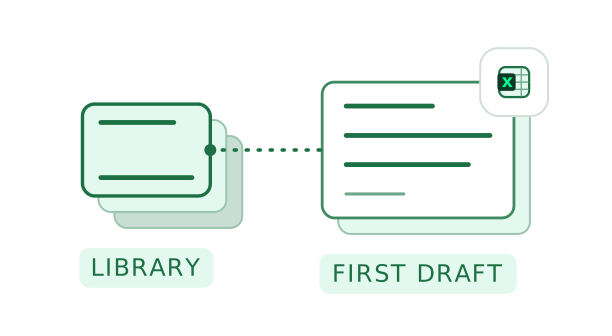
One library behind every customer’s version
The answer you gave a retailer last quarter becomes the first draft when a carmaker asks the same thing in its own questionnaire, with the site certificate behind it still attached.
- EA AgentIn Teams, Slack or email
 02
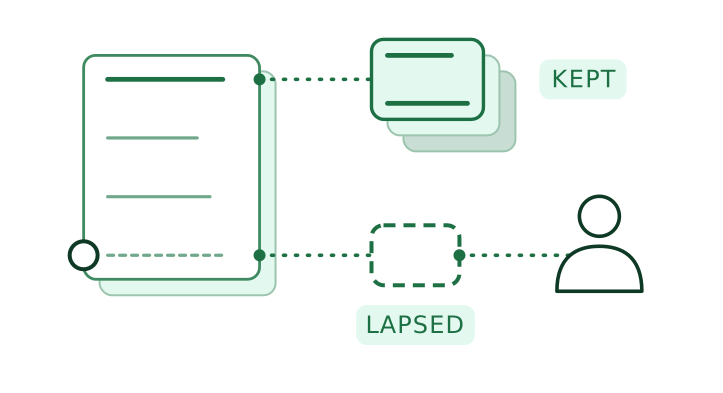
Each site keeps its answers current
Between customers, EA keeps the sites current: before the six-monthly Sedex update, each site lead is asked only about what has lapsed or changed, and the reply serves each customer who asks next.
- ApprovalsWho approved what, and when
 03
The director signs what the customer reads
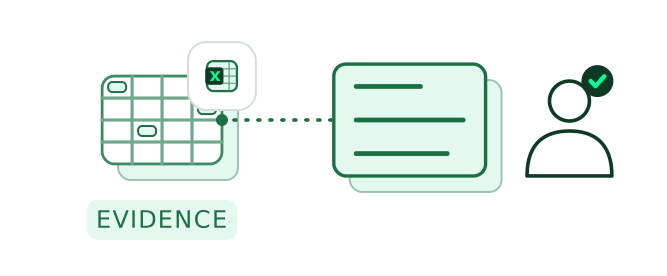
The Operations Director sees each answer with its evidence and its reviewer before approving. If a customer’s auditor visits and wants to know who confirmed a figure, the approval record names them and gives the date.
- Autofill and Browser PluginThe customer’s own file or portal
 04
Their spreadsheet, their portal, your answers
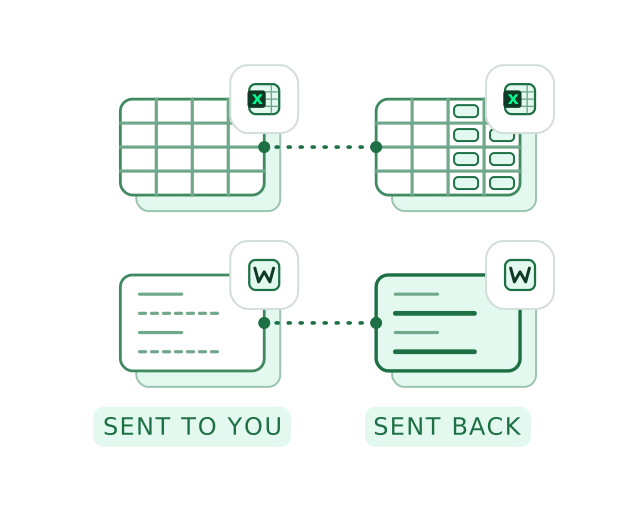
Autofill writes approved answers into each customer’s own spreadsheet. Where a customer uses a supplier portal, the Browser Plugin fills its fields in Chrome or Edge. A person submits.
Why EA for manufacturers
Only one of them asks each plant just what it owes.
| Compared with | What it does well | What EA adds |
|---|---|---|
| Doing it by hand | Gets each questionnaire out, with last year’s file and a round of emails to every site. | Handles two customers in the same week, each drafted from the answers the business has already approved. |
| A sustainability or ethical-trade consultant | Knows the schemes and helps you decide what to say. | Keeps the adviser on the judgement calls while EA drafts and asks the sites, so the answers and who agreed them stay with you. |
| Supplier questionnaire software | Keeps an answer library and routes questions to the right expert. | Works out which plant is missing what, then asks that site lead itself and follows up, instead of handing the chase back to you. |
| A general AI assistant | Speeds up one person’s writing, a policy summary or a reply at a time. | Drafts from the group’s current policies and each site’s own evidence, and writes the answers into the customer’s file. |
EA’s own security
The security answers you’d want from any supplier.
- Hosted your way
EA’s cloud in a region you choose, hybrid options or on-premises. Data never used to train the models EA runs on.
- Access
Single sign-on, which you can enforce, and an access list for each workspace.
- Support access
EA staff see your data only in a time-limited window you open.
- Testing
An independent firm runs a penetration test on EA every year.
- Security contact
EA’s security team is at security@eaglobal.ai.


Your IT security team can see single sign-on enforced and each plant’s access list in the demo, before any recipe or injury rate goes in.
Book a demoWhat you’ll hand EA
Customers’ questionnaires and supply-chain data, through the year.
Customers ask in their own formats; the plant records behind the answers stay the same.
Customers’ questionnaires
- Customer and auditor questionnairesEach customer’s own format.At onboarding, at annual review and before an audit

 Sedex self-assessment and ethical auditsEach site’s self-assessment, and the documents an audit asks to see.Sedex advises an update every six months
 Drive Sustainability questionnaireThe sustainability questionnaire carmakers ask their suppliers for.When a carmaker asks

 EcoVadisThe rating many customers ask for, from the same evidence.Each scorecard lasts 12 months
Supply-chain data
- Conflict minerals templatesTin, tantalum, tungsten and gold, plus cobalt and mica where asked.Usually once a year, in the customer’s version
- Carbon Border Adjustment Mechanism (CBAM) dataEmbedded emissions data for EU customers importing steel, aluminium and other covered goods.Definitive regime since 1 January 2026
- EU Deforestation Regulation (EUDR) dataOrigin and plot data for cocoa, coffee, palm oil, soy, rubber, wood and cattle.Applies from 30 December 2026 for large and medium companies
- Modern slavery and human rights due diligenceThe statement and the supplier checks behind it.A statement each financial year
FAQ
Manufacturers’ first questions.
Different plant, different question? Ask it in the demo.
Each draft shows the site record it came from, and EA flags any answer whose record is missing or out of date for that site. If a customer asks whether each plant’s fire risk assessment is current and one plant’s has passed its review date, EA marks that answer “Needs evidence” and asks that plant’s site lead for the new one.
Each site’s evidence can have its own workspace, with its own list of people, beside a shared workspace for group policies. When a questionnaire covers one plant, you point it at the group’s workspace and that plant’s, so no other plant’s figures reach its answers.
Yes. The Browser Plugin fills the portal’s fields from your approved answers in Chrome or Edge, leaves any field it can’t match for a person to complete, and the person sending it submits the form.
Your energy and environment team, from each installation’s monitoring data, as today. EA drafts the covering answers on method and boundaries from your approved documents, keeps each customer’s answer consistent with the last, and asks the plant for any period that’s missing.
Keep them for the advice: which scheme comes first and what the business commits to. EA drafts from the same evidence for every scheme and customer, sends the gaps to the sites, and keeps the answers your team agreed for next year’s round.
Group policies, site certificates, last year’s questionnaires and your Sedex and EcoVadis evidence, uploaded as they stand. EA connects to SharePoint, OneDrive and selected Google Drive files, and our Customer Success team helps with exports from other platforms. Plans differ by the number of autofills, the workspaces you need and the size of your knowledge library; see the pricing page.


One set of answers for every customer’s questionnaire.
From your evidence to the Operations Director’s approval.