

Operational due diligence · For fund managers’ operations teams
They like the strategy. Now they want to see the operation.
An allocator’s operational due diligence (ODD) questionnaire arrives with a document list, and EA drafts each answer from the policy or provider report behind it. For anything not yet on paper, such as a bridge letter, EA sends your Head of Operations a note and follows up. Your Chief Operating Officer approves the response, with each document at its latest version.
Try EA free. No card needed.

Organisations that run work on EA





The work
Each answer needs its paper trail.
Other firms’ reports
The administrator and the custodian each publish a controls report on their own timetable, and the allocator wants each one current on the day it reads them.
Exceptions need careful words
A past incident or trade error has to be described accurately, and the same way to each allocator, in wording your Chief Compliance Officer is content with.
Between a yes and a subscription
The allocator’s review sits between a positive investment view and a signed subscription, so it comes with a date your fundraise depends on.
One approved account of your operation serves this allocator and the next.
What EA does
Ready before the allocator arrives.
An allocator’s questionnaire, built on the Alternative Investment Management Association’s (AIMA) with questions of its own, a list of 31 documents and a meeting date.
01 / 05
- EA
Groups the questions from governance and valuation to cyber security and continuity, matches each to your last approved ODD responses, and lists every document the allocator wants. Autofill
Your teamThe Chief Operating Officer names a reviewer for each area: compliance, finance, technology and operations.
- EA
Drafts the valuation answers from the valuation policy, the cyber security and continuity answers from the technology policy and the latest test reports, and the service provider answers from each provider’s agreement, with the passage beside each. Knowledge Library
Your teamEach reviewer checks their area against how it actually runs.
- EA
Gathers the administrator’s and custodian’s controls reports and the auditor’s engagement letter, and flags the administrator’s, whose period ended on 31 December 2025, as needing a bridge letter to cover the months since.
Your teamThe Head of Operations confirms which providers’ reports the allocator will take as current.
- EA
Sends the Head of Operations one note covering the trade errors summary and the bridge letter, follows up, and sets the incident answers aside for the Chief Compliance Officer with last review’s wording beside the log. EA Agent
Your teamThe Chief Operating Officer sees what is still due, while the Chief Compliance Officer settles how each incident is described.
- EA
Sets out each answer beside the document behind it and the reviewer who checked it, then assembles the questionnaire and the document pack in the allocator’s order. Approvals
Your teamYour team sends the response before the meeting, with the pack behind a password-protected link you close after the allocator’s visit.
See an allocator’s document list matched to your files, dates and all.
Book a demoNext allocator
Approve it once. The next allocator starts there.
The next allocator
Their questionnaire starts from the answers your Chief Operating Officer approved here, written into their own layout.
A new custodian
The answers and pack documents that named the old one reach the Head of Operations as one short list, so the next allocator reads the new arrangement.
The re-review
When an allocator that invested comes back for its periodic review, EA redrafts from your current policies and reports, and marks “Needs evidence” wherever a document has lapsed or gone missing since.
EA’s own security
The incident log stays with the people you name.
Incident logs, test results and other firms’ controls reports are among the most private papers a manager holds.
- Hosted your way
EA’s cloud in a region you choose, hybrid options or on-premises. Data never used to train the models EA runs on.
- Access
Single sign-on, which you can enforce, and an access list for each workspace.
- Support access
EA staff see your data only in a time-limited window you open.
- Testing
An independent firm runs a penetration test on EA every year.
- Security contact
EA’s security team is at security@eaglobal.ai.
See the review workspace your Chief Operating Officer controls, from who can open it to what the allocator receives.
Book a demoFAQ
Asked by operations and compliance leads.
The DDQ covers the firm, the strategy and the terms. ODD looks at how the business runs: governance, valuation, service providers, cyber security and continuity. EA drafts both from your approved policies, so the operational account and the DDQ begin in the same place.
EA drafts from the policy or procedure that governs each area, with the passage beside it. If the allocator asks how often cash reconciliations are independently reviewed and your procedure is silent, the answer goes to the Head of Operations as “Needs evidence”.
The allocator’s operational due diligence team, or its consultant’s, and their view goes to the allocator’s committee. Your Chief Operating Officer approves each answer before it leaves; EA drafts it from your documents.
The people you add to the review, and within it you can keep the incident answers and the log to compliance alone. The allocator sees only the answers and documents you send it.
Yes. Past ODD and AIMA responses work as they are, with your policies and the providers’ latest reports; our Customer Success team helps with exports from other platforms. Plans differ by the number of autofills, the workspaces you need and the size of your knowledge library; see the pricing page.


Your next allocator review, without the document hunt.
From your policies to your Chief Operating Officer.
Other reviews that draw on how you operate.
Related solutions
- ILPA and AIMA DDQsThe investor’s questionnaire that usually comes first, with its own list of fund documents to gather.Due diligence
- Information requestsThe lists of questions and documents that follow a review, answered from what you’ve already approved.Due diligence
- Vendor security assessmentsWhen an allocator’s cyber section grows into a security review of its own.Security and IT
By industry
 Asset and investment managementWhere operational reviews sit beside investors’ DDQs and the yearly reports.
 Public sector and defenceSelection questionnaires, declarations and the carbon reduction plan, signed off by the right director.
 Banking and building societiesThe operational resilience self-assessment and supplier reviews, attested by name.
 InsuranceBroker questionnaires, Lloyd’s confirmations and the own risk and solvency assessment.
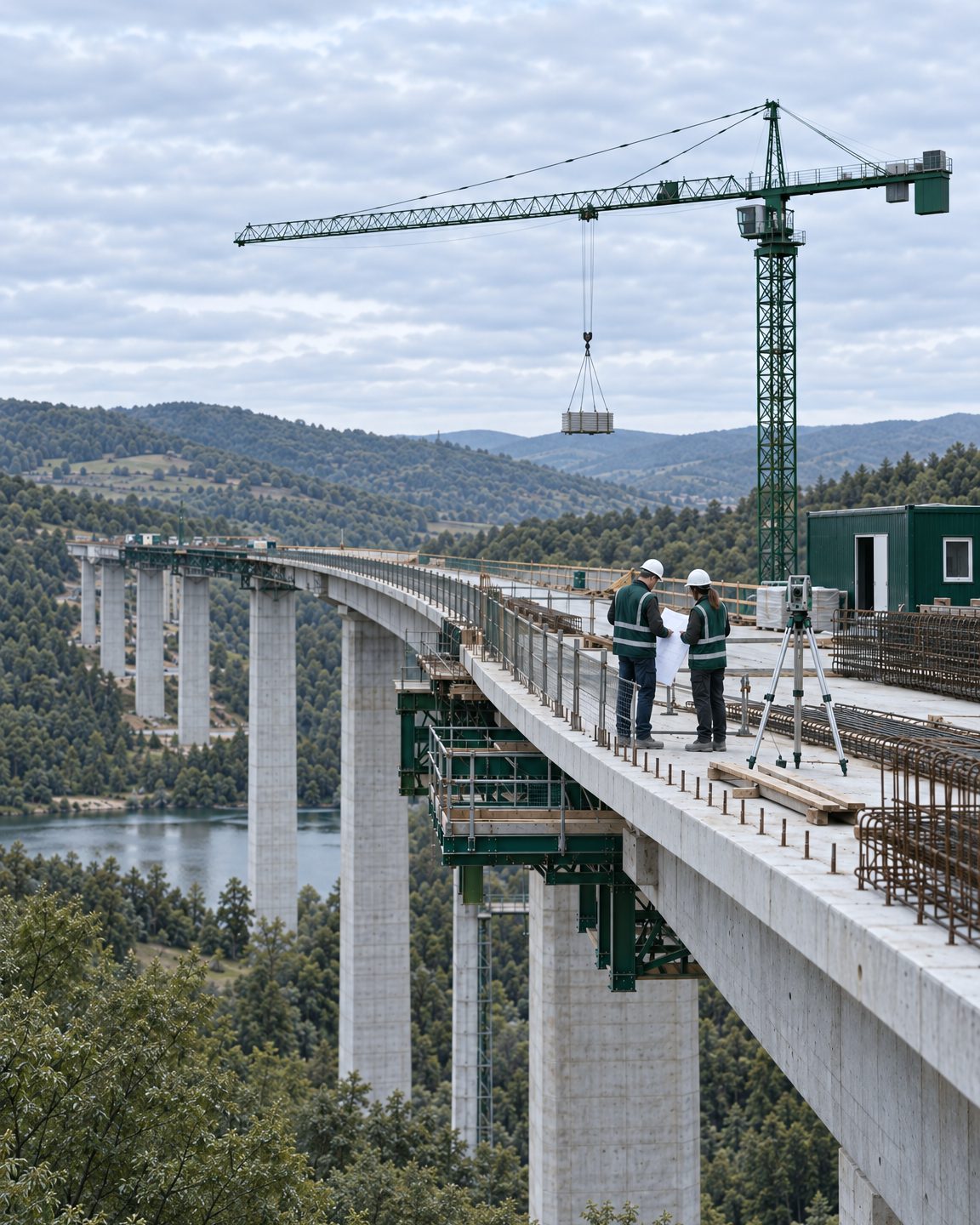 Construction and infrastructureScheme renewals, prequalification and ISO evidence, including international engineering, procurement and construction projects.
 Manufacturing and consumer goodsCustomers’ supplier questionnaires, Sedex and the conflict minerals template.
 Energy and utilitiesThe CSRD statement, CDP, regulator returns and the network and information security self-assessment.
 Healthcare and life sciencesPharma customers’ supplier questionnaires and the NHS data security toolkit.
 SoftwareCustomers’ security questionnaires and your own SOC 2 evidence.
 Legal firmsPanel questionnaires, the professional indemnity renewal and Lexcel evidence, signed off by a partner.
 Accounting firmsClients’ security questionnaires and the firm’s anti-money laundering return.
 ConsultingClients’ vendor due diligence, framework tenders and the certificates behind them.