

Bid/no-bid and clarifications · For bid boards and the managers who brief them
Know what a tender asks before you say yes.
EA reads the tender pack, sets each requirement against your evidence and drafts the bid/no-bid paper and the clarification questions to the buyer. Your Bid Director approves both, and your bid board makes the call.
Try EA free. No card needed.

Organisations that run work on EA





The work
Most of the deciding is reading.
The knock-out is on page 140
A mandatory accreditation or an uncapped liability clause sits deep in the specification or the draft contract, and someone has to find it before the team starts writing.
The questions have a deadline too
Under the Procurement Act 2023, a tender can close 25 days after its notice, or 10 after a planned procurement notice. The clarification window shuts first, often before your board meets, so anything the pack leaves unclear is asked in week one.
The board meets on Thursday
The tender gets one slot on the bid board’s agenda, and by then someone has to turn the whole pack into a few pages the board can decide on.
A board that has the evidence in front of it decides in the meeting, and the writers start only on tenders the business has chosen.
What EA does
One tender, weighed before anyone writes a word.
A hospital trust’s cleaning and facilities tender, from the notice landing to the board’s decision.
01 / 04
- EA
Reads the notice, the instructions to tenderers, the specification and the draft contract. Lists every mandatory requirement and award criterion under the buyer’s own numbering, from the lists and tables the buyer gives, and flags the contract terms worth a second look. EA Agent
Your teamThe Bid Manager adds any requirement buried in the prose, confirms the list and notes what only the team knows, such as how the last contract with this buyer went.
- EA
Sets each requirement against your approved case studies, certificates and policies, knock-outs first, with the source beside each line, and leaves a requirement with nothing behind it open. Knowledge Library
Your teamThe Head of Quality says when ISO 14001 certification is expected, and the Bid Manager checks the case studies EA chose.
- EA
Sends two requests and follows up: staffing for a 1 April start to the Delivery Lead, and the liability clause to the Head of Legal. For the buyer, it drafts a clarification question on the ISO 14001 knock-out: whether certification by the 1 April start meets requirement 2.3. Once the Bid Director approves it, the Browser Plugin fills it into the buyer’s portal. EA Agent Browser Plugin
Your teamThe Delivery Lead and the Head of Legal answer from what only they know, and a reminder the Bid Manager sets for the day before the clarification deadline lists what is still open. The Bid Manager checks and posts the question, and the buyer’s answer is forwarded to EA to join the pack.
- EA
Assembles the bid/no-bid paper: each requirement and criterion against your evidence, the owners’ views, the buyer’s answer and what is still open, each line beside its source. Approvals
Your teamThe Bid Director approves the paper for the board. The board decides, and its minute is attached to the paper in EA. If the answer is no, EA drafts a short, courteous decline for the Bid Director to approve and the Bid Manager to send.
Try it on a tender you’ve already decided, and see what the paper would have put in front of your board.
Book a demoNext time
Each decision leaves its reasons behind.
Why it went the way it did
The board’s minute stays with the paper, so when this buyer next goes to market, the team reads the reasons first.
Evidence already matched
The case studies and certificates set against this tender’s requirements are where the next paper’s evidence starts.
A gap with a date on it
The open ISO 14001 line keeps the Head of Quality’s expected date, so the next paper that needs the certificate starts from that date rather than a fresh question.
EA’s own security
Candid papers, kept close.
A bid/no-bid paper says plainly what you can’t yet show and who you’re up against, so it stays with the bid team and the board.
- Hosted your way
EA’s cloud in a region you choose, hybrid options or on-premises. Data never used to train the models EA runs on.
- Access
Single sign-on, which you can enforce, and an access list for each workspace.
- Support access
EA staff see your data only in a time-limited window you open.
- Testing
An independent firm runs a penetration test on EA every year.
- Security contact
EA’s security team is at security@eaglobal.ai.
Add a criterion your board weighs, and watch the paper set the tender out against it.
Book a demoFAQ
Go, no-go and the paper behind it.
Your evidence against each of the tender’s mandatory requirements and award criteria, knock-outs first, with the views of the people who know whether you can staff it and accept its contract terms, and the questions still open with the buyer. EA sets that out as a paper for your bid board.
Your bid board, or whoever holds that decision in your business. EA prepares the paper, the Bid Director approves it before the board reads it, and the board’s minute is attached afterwards.
Each line shows the case study, certificate or policy behind it, and a requirement with nothing behind it stays open. If the tender asks for three years of audited accounts and you have two, the paper says so.
Only the people you add to the tender’s workspace, and the paper itself can be limited further. Board members who don’t use EA read the approved version by a link you can revoke.
Yes. Under the Procurement Act 2023, a buyer can amend a tender within set time limits and must republish or provide again the changed documents. Forward the change to EA, and it redrafts the paper’s lines on the requirements you point it to.
Usually, yes. A short, courteous decline keeps you on the buyer’s list for the next one. EA drafts it in your house style for the Bid Director to approve and your team to send.
Yes. Your template or scoring criteria go in as they are, with past papers if you keep them, and each new tender is set out against them, the buyer’s record on paying invoices included if your board weighs it. Plans differ by the number of autofills, the workspaces you need and the size of your knowledge library; see the pricing page.


Your next bid decision, without a weekend inside the tender pack.
One tender, from the first knock-out to your Bid Director.
Before the decision, and after it.
Related solutions
- Invitations to tenderThe response itself: the requirements list, matched evidence and the buyer’s answers carry into its plan, and the scored questions go to their writers.Bids and tenders
- Compliance matricesThe same requirements, turned into the line-by-line statement many buyers ask you to return.Bids and tenders
- Selection questionnairesOften the first gate, with a go or no-go of its own before the tender proper.Bids and tenders
By industry
 Public sector and defenceTenders with published award criteria, which the paper sets out one by one against your evidence.
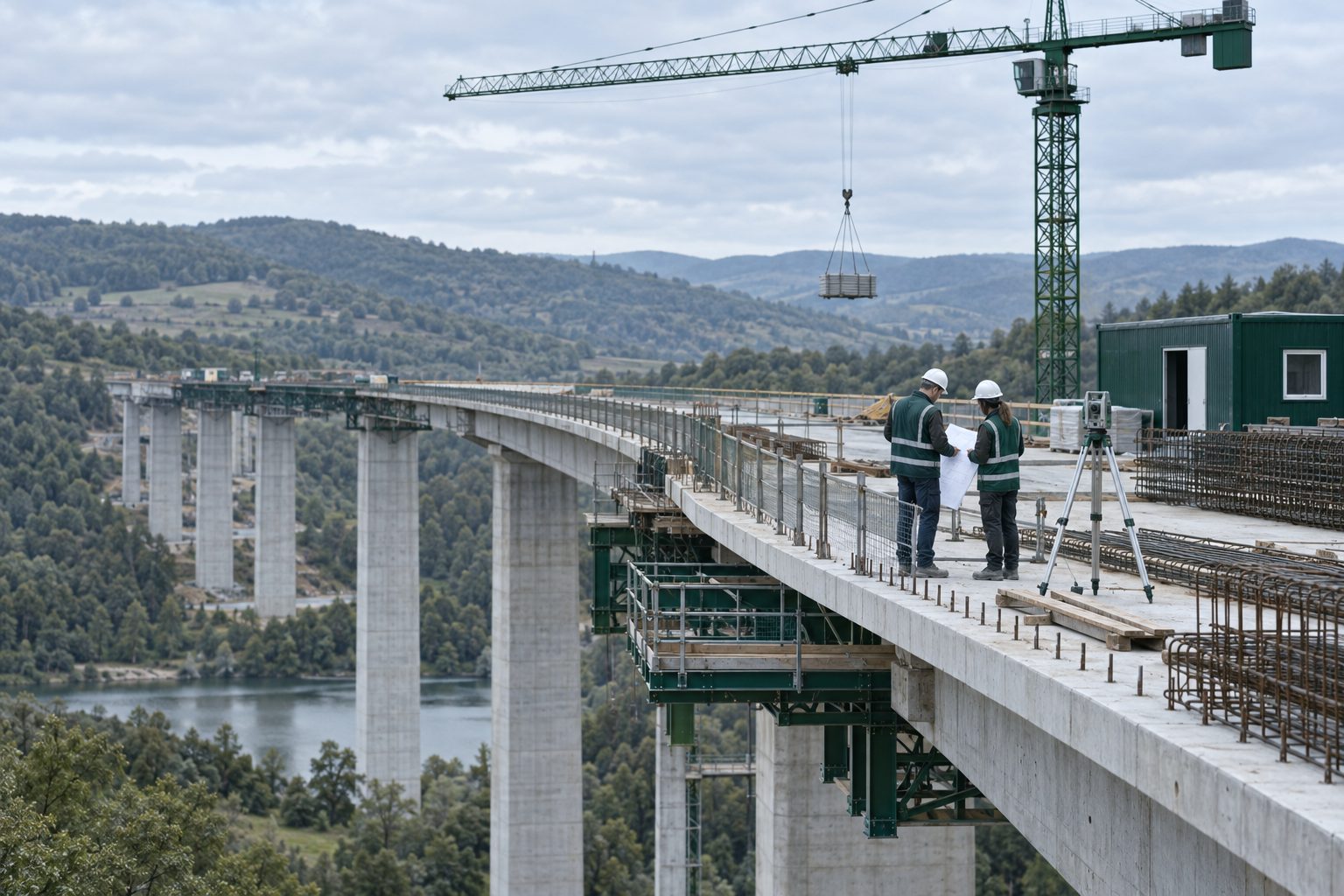 Construction and infrastructureWorks tenders where the draft contract’s risk terms often settle the decision.
 ConsultingBids where the real question is which partner could lead it, and from when.