
For investor relations and compliance teams at asset managers and private markets firms
Answer every investor as one firm.
EA drafts each investor’s due diligence questionnaire (DDQ) and your yearly Principles for Responsible Investment (PRI) report from answers the firm has signed off, and asks the people who hold what has changed. Your Chief Compliance Officer approves each questionnaire; your Head of Responsible Investment, the report.
Try EA free. No card needed.


Organisations that run work on EA



The problem
Each new investor asks what the last one asked.
Every investor’s own template
One investor sends the Institutional Limited Partners Association (ILPA) questionnaire with thirty questions of its own; a hedge fund allocator sends the Alternative Investment Management Association (AIMA) version. Each wants the answers in its own layout.
Answers wanted mid-roadshow
The partners who know the strategy are in meetings with investors while the DDQs pile up behind them, each due before an investment committee you don’t schedule.
One policy, told three times
The DDQ, the PRI report and the Sustainable Finance Disclosure Regulation (SFDR) disclosure all describe the same responsible investment policy. Investors read all three.
With each DDQ, the effort goes on finding which answer was signed off, what has changed since, and who has to confirm it. EA does the finding and the asking, so the partners stay with the investors.
What EA does
Two hundred questions, owned by six people, signed by one.The PRI hears what your investors heard.
An investor’s DDQ arrives mid-raise as a spreadsheet, with a list of documents and a date set by the investor’s own committee. The investor sets the date; your team decides what each answer says.
The PRI report comes round once a year, and it describes the same policies as every DDQ the firm sent. EA keeps it in step with everything else the firm has said.
01 / 06
- EA
Counts 212 questions, and picks out the investor’s own additions to the template, the documents they ask for and the due date.
Your teamInvestor relations forwards the investor’s email; EA suggests the Chief Compliance Officer as approver, and the Head of Investor Relations confirms.
- EA
Drafts from last fund’s approved DDQ, the compliance manual, the valuation policy and the data room, and quotes the passage behind each answer.
Your teamOwners read each answer beside the document it came from and correct what has moved.
- EA
Marks 31 answers “Needs evidence”, such as an exclusion added to the responsible investment policy since the last fund and this quarter’s assets under management, and groups them by who holds each fact.
Your teamNobody is sent the whole questionnaire, only their own gaps.
- EA
Sends each colleague one Teams message with their questions and the investor’s date, follows up with anyone still to answer, and records each reply as the answer, under its author’s name.
Your teamColleagues answer without leaving Teams; investor relations sees who is still due.
- EA
Sends any answer changed after approval back to the Chief Compliance Officer, so the investor reads only what was approved.
Your teamSection owners review their part; the Chief Compliance Officer approves the response as a whole.
- EA
Puts the approved answers into the investor’s spreadsheet, exactly where the investor asked for them.
Your teamThe Head of Investor Relations sends it by EA’s secure link, with a password and an expiry, and can see how many times it has been viewed.


01 / 04
- EA
Reads this year’s reporting framework and matches each indicator to last year’s response and the policy behind it.
Your teamThe Head of Responsible Investment confirms who owns each indicator.
- EA
Drafts each indicator from last year’s report, the engagement and voting records, and the answers approved in this year’s DDQs.
Your teamPortfolio managers check what it says about their strategies.
- EA
Marks eight indicators “Needs evidence”, such as progress against this year’s climate target and the outcome of engagements closed this year, and asks the owner of each.
Your teamThe Head of Responsible Investment supplies the climate figures; portfolio managers confirm each engagement’s outcome.
- EA
Exports the approved responses indicator by indicator, in the same order as the PRI’s Reporting Tool, for your team to enter.
Your teamSenior leaders review their accountability section and the Head of Responsible Investment approves the report, then checks the team’s entries in the Reporting Tool and submits.
In the demo, see which of an investor’s questions your last raise already answers, and who holds the rest.See last year’s PRI report become this year’s first draft in the demo.
Book a demoWho it’s for
Each of you answers for a different part of the firm.
Head of Investor Relations
On your desk
Investors’ DDQs, annual updates, ad-hoc requests and consultant database updates.
With EA
Forward the DDQ and review sourced answers, without chasing six colleagues.
You decide
What each investor receives, and when.
Chief Compliance Officer
On your desk
The compliance sections of every DDQ, and the sign-off before anything reaches an investor.
With EA
Each answer arrives with its source and its reviewer, and anything edited after your approval comes back to you.
You decide
What the firm puts in writing.
Chief Operating Officer
On your desk
Operational due diligence (ODD): service providers, valuation, controls and cyber security.
With EA
When a provider or a control changes, EA asks the owner to confirm the answers that cite it, so the next allocator’s questions start current.
You decide
How the firm’s operations are described.
Head of Responsible Investment
On your desk
The PRI report, investors’ responsible investment questions, SFDR disclosures and the Stewardship Code report.
With EA
One policy, described the same way in every DDQ, report and disclosure.
You decide
Each fund’s classification, and every figure.
Relevant EA features
Answers that outlast the fundraise.
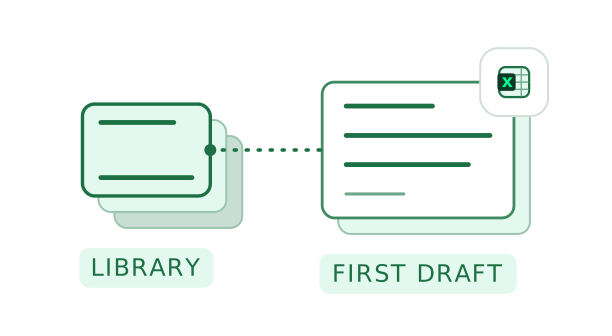
- Knowledge LibraryPast DDQs, policies, data room
 01
The last raise, ready for this one
Answers the Chief Compliance Officer approved during the last raise come back as drafts for this one, each with the policy that supports it.
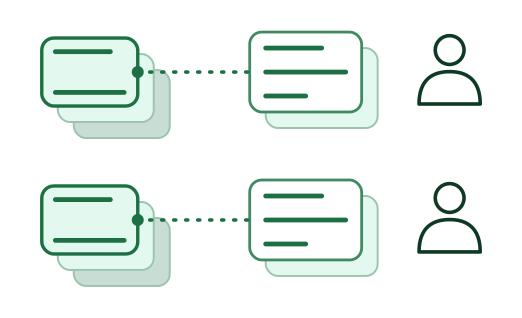
- WorkspacesEach fund, kept apart
 02
Fund by fund, firm-wide where it should be
Each fund keeps its facts in a separate workspace. A DDQ for one fund draws on that fund and the firm’s policies, and on another fund only if you choose.
- AutofillThe investor’s own file
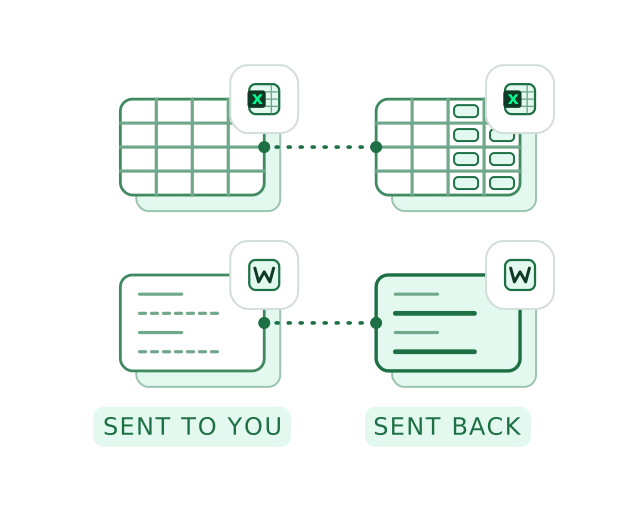 03
Every template, the same answers
The ILPA layout, a consultant’s grid, a pension fund’s own spreadsheet: Autofill writes the approved answers into each one as it arrived.
- ApprovalsWho approved what, and when
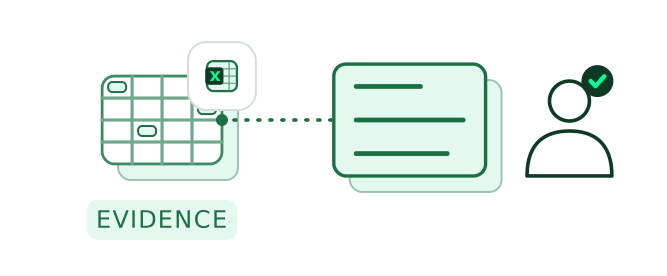 04
The valuation answer, and who signed it
If an investor’s operational due diligence team asks who signed off the valuation answer, and when, the record shows them.
Why EA for investment firms
Your DDQ library, carried into every report.
| Compared with | What it does well | What EA adds |
|---|---|---|
| Doing it by hand | Last fund’s DDQ, the data room and an email to each owner can carry it. | The next raise starts from this one’s approved answers, not from a search of last fund’s file. |
| DDQ and questionnaire software | Keeps a good library of DDQ answers and routes questions to the experts. | Runs the PRI report and the SFDR disclosures from the same approved answers, so each says what the DDQ said. |
| A general AI assistant | Summarises a data room or polishes an answer for one analyst at a time. | Works from the answers the firm has signed off, sends each section to its owner and fills the investor’s spreadsheet. |
EA’s own security
Hosted where you choose, tested each year, and open only to each fund’s list.
- Hosted your way
EA’s cloud in a region you choose, hybrid options or on-premises. Data never used to train the models EA runs on.
- Access
Single sign-on, which you can enforce, and an access list for each workspace.
- Support access
EA staff see your data only in a time-limited window you open.
- Testing
An independent firm runs a penetration test on EA every year.
- Security contact
EA’s security team is at security@eaglobal.ai.
Share a DDQ by link in the demo, then check its view count and revoke it.
Book a demoWhat you’ll hand EA
From the first DDQ to the yearly reports.
Investors and allocators
- ILPA and AIMA DDQsThe industry templates, kept current between raises.Each fundraise, then each year
- Operational due diligenceAllocators’ questions on operations, controls and service providers.Before each commitment
- Information requestsAd-hoc requests from investors and consultants.On request
- Fund and investor gridsThe grids consultants ask you to keep up to date.On request
The firm’s own reporting
 UN PRIThe signatory report, and investors’ responsible investment questions.Each year, in the reporting window
- EU Taxonomy and SFDRProduct disclosures and periodic reports.Each year, and when a product changes
- Stewardship Code reportThe yearly activities and outcomes report.Each year
FAQ
Investment firms’ questions, answered.
Others come up in every demo; ask away.
It goes to whoever holds the answer. If an investor asks how co-investment opportunities are allocated across funds and no allocation policy is on file, EA marks the answer “Needs evidence” and asks the Chief Compliance Officer for it.
Only the people on that fund’s list. A side letter agreed for one fund stays in that fund’s own workspace, so the next fund’s DDQ is drafted without it.
Yes, in Chrome or Edge. The Browser Plugin fills each field it can match from the approved answers, skips any it can’t, and leaves the submit button to the Head of Investor Relations.
You start from them. Import the past answers you’ve approved, and EA reads your policies where they sit in SharePoint, OneDrive or Google Drive. EA integrates with many other products, and our Customer Success team helps with exports from other platforms.
Today’s rules still apply: the Commission proposed the revision on 20 November 2025, and it is still being negotiated. When a policy or a fund’s classification changes, EA flags each DDQ answer and disclosure that cites it and asks its owner to confirm.
Upload what you already hold, unchanged: past DDQs, policies and the data room index. Plans differ by the number of autofills, the workspaces you need and the size of your knowledge library; see the pricing page.


The next DDQ starts from the last raise.
From your documents to the Chief Compliance Officer.