
File Naming Conventions: Stopping the Wrong Policy Being Sent
A file called final_v3_FINAL can carry a policy that was superseded months ago, and it is easy to attach by mistake. This article sets out a naming convention that makes the current version obvious to anyone opening a folder.
By EA Team
Contents
- Why file names fail under pressure
- What a useful name contains
- Keeping old versions out of the working folder
- Why the folder structure matters as much as the name
- How EA helps the right file get used
- Using the convention in the answer library
- Applying the convention to new files
- A convention you can adopt this week
- Where this leaves your document folders
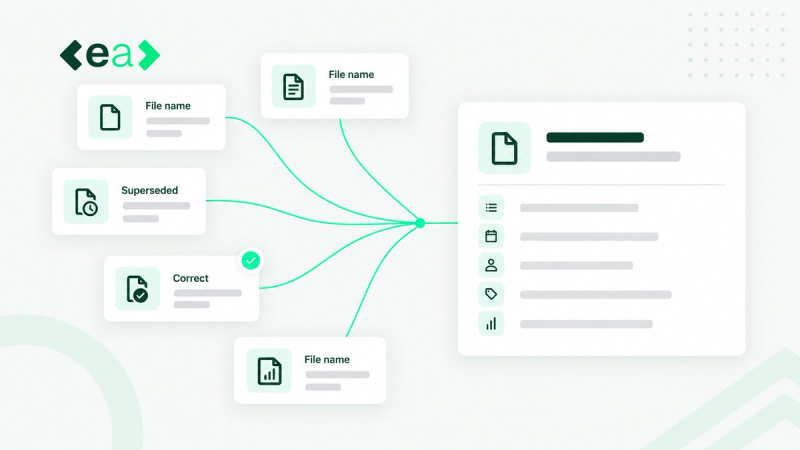
A bid coordinator is preparing a supplier registration for a public-sector client and needs the anti-bribery policy. The shared folder contains "Anti-bribery policy", "Anti-bribery policy 2023", "ABC policy FINAL", "ABC policy final_v2" and "ABC policy final_v3_FINAL". The coordinator picks the one with the most recent modified date. It is the version from 2023, which the compliance team replaced in January. The registration is submitted, and nobody notices until the buyer's compliance team asks for the current policy.
The coordinator followed a sensible rule. The folder simply did not give enough information to choose correctly, and the file names all looked equally official.
This article explains why file names fail under pressure, what a useful name has to contain, and how to keep old versions out of the folder people actually search. It also shows where EA removes some of the reliance on file names, by keeping the source attached to the answer that uses it.
Why file names fail under pressure
File names are usually created in the moment. A draft is saved while a deadline is close, and the author adds a word to show it is newer. Over time, the folder fills with names that describe the author's intent and not the document's status. Words like "final", "latest" and "new" are meaningless once a second final appears.
Modified dates are not a reliable guide either. A file can be opened, saved or re-uploaded without any change to its content, which makes an old version look recent. A person who relies on the date is relying on something the document does not control.
What a useful name contains
A good name carries four pieces of information: what the document is, which organisation or scope it covers, its version and its effective date. A name such as "Anti-bribery policy, Group, v4, effective 2026-01" tells the reader almost everything they need. It identifies the document, the scope, the version and the date it came into force.
Use the same order for every policy, so people learn to read names quickly. Avoid words that describe status and not content, such as "final" or "new", because they are the first to become misleading. If a document is a draft, say so in the name, and remove the word when it is approved.
Keeping old versions out of the working folder
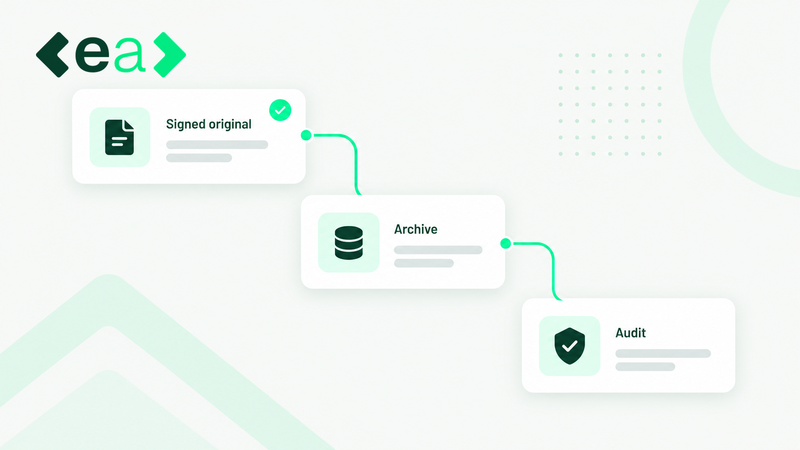
A naming convention works best alongside a simple rule about where old versions go. Keep one current folder for each policy and certificate, and move superseded versions to an archive folder with a clear name. The working folder should contain only what can be sent. If someone has to scroll past old versions to find the current one, the risk of picking the wrong file is high.
Assign an owner for each current document, and make them responsible for the move when a new version is approved. Without an owner, the old file stays where it is, because nobody feels responsible for removing it.
Why the folder structure matters as much as the name
A good name helps only when the folder around it is clear. If the current policies sit in a folder that also holds drafts, old versions and a copy of last year's bid, the name has to do all the work. Keep the current folder for approved, in-force documents only, and make the archive a sibling folder and not a subfolder, so nobody scrolls past old versions to reach the current one. Where a folder holds a single policy with several historical versions, put the current version first and label the rest as superseded.
How EA helps the right file get used
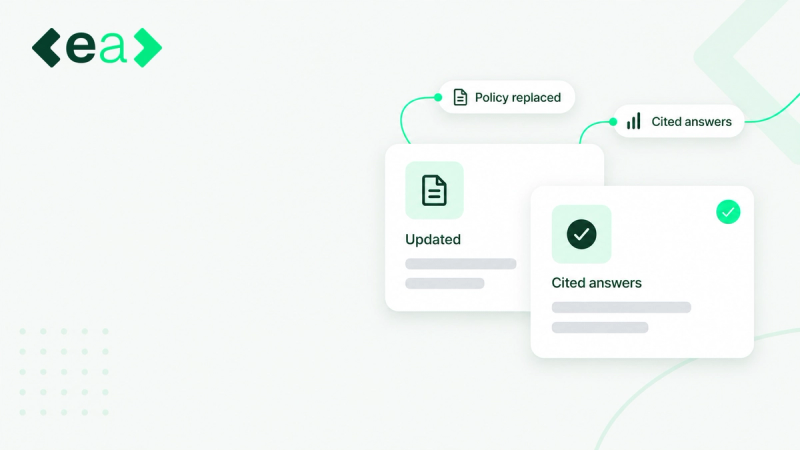
EA reads approved documents from your Storage and answers with sources shown, so the document an answer relies on is visible in the answer itself. That reduces the reliance on file names. Autofill completes questionnaires from approved evidence with citations, which means the source a sentence comes from is part of the record and not something the coordinator has to guess from a folder list. Answers carry statuses and version history, so the team can see the approved state of each one.
EA cannot rename your files for you, and a good convention still needs people to follow it. The benefit of pairing a clear naming standard with source-linked answers is that a mistake in one place is easier to spot in another. For teams connecting SharePoint or Google Drive, our guide on managing connector permissions and file access with SharePoint covers how to keep the right folders available to the right people.
Naming also helps when documents are shared outside the team. A buyer who receives "Anti-bribery policy, Group, v4, effective 2026-01" can see at a glance which version they hold. A buyer who receives "ABC policy final" cannot, and may ask for confirmation, which costs time on both sides. Our article on keeping a shared link working after the document changes covers the same principle for links.
Using the convention in the answer library
File names matter in the answer library too. An answer that cites "Anti-bribery policy" without a version number will be hard to update when the policy changes. Citing the document by its name, version and effective date makes the reference specific, and it makes a later replacement easier to find. Our article on replacing an expired policy everywhere it is cited explains how to trace those citations.
Applying the convention to new files
A convention is easiest to keep when it applies from the moment a file is created. Use the same date format every time, year first, so files sort correctly in a folder. Keep scope words consistent, so "Group" always means the whole group and "UK" always means the UK entity. Leave out words that describe status, and let the version number and the approval record show it.
When a document moves from draft to approved, rename it at that point, not later. The renaming step belongs to the approval, so it is not forgotten during a busy bid.
A convention you can adopt this week
Agree the pattern with your compliance and bid teams: document type, scope, version, effective date. Apply it to the ten documents buyers request most often. Move every older version into an archive folder, named by the same pattern with the word "superseded" added.
Make the current folder the only place a bid coordinator looks for a policy. Check it at the start of each bid, and confirm the file name matches the version listed in the answer library.
Where this leaves your document folders
A file name is a small thing that can cause a large error. A consistent convention, a clean current folder and a named owner for each document make the correct version easy to find and the outdated one easy to avoid. EA supports the same discipline by showing sources and version history on each answer, so a wrong file is more likely to be caught before it reaches a buyer.
Open the folder your bid team uses for policies today and rename the five most-requested documents to the new pattern. Move the older versions to an archive folder. To see how answers show the source document and version they rely on, open an answer in EA and check its sources.
Filed under Compliance Knowledge & Evidence, 20 November 2026All posts
Keep reading