A due diligence questionnaire may ask a team to explain security controls, data protection practices, business continuity arrangements or certifications. The person reviewing each answer needs to understand the basis for the statement before approving it.
The supporting material may include policies, certificates, previous questionnaires and operational records held by different teams. A fluent draft can move the work forward, while the reviewer still needs a reliable route to the document, passage and version behind the wording.
This is the practical question behind DDQ automation: how can a system cite source documents in a way that helps a person decide? The answer involves more than adding a file name. Useful citation connects the question, proposed answer, relevant evidence, current status and review decision.
Why DDQ Automation Needs Current, Relevant Sources
A DDQ answer may describe how an organisation manages access, responds to incidents, protects information or maintains a certification. Customers, procurement teams, security assessors and legal reviewers may rely on that wording, so the proposed statement needs to remain connected to the source that supports it.
Generic AI tools can suggest plausible wording for answers, but a governed DDQ workflow must also help the reviewer establish:
- which policy or record supports the statement;
- whether the document is the latest approved version;
- whether its scope covers the relevant entity, service or location;
- whether a previous answer needs adaptation; and
- whether the wording extends beyond what the evidence demonstrates.
These checks depend on context. A certificate needs its scope and validity period. An incident response answer may depend on the current policy and the operating practice. A data retention statement needs to reflect the organisation’s actual approach.
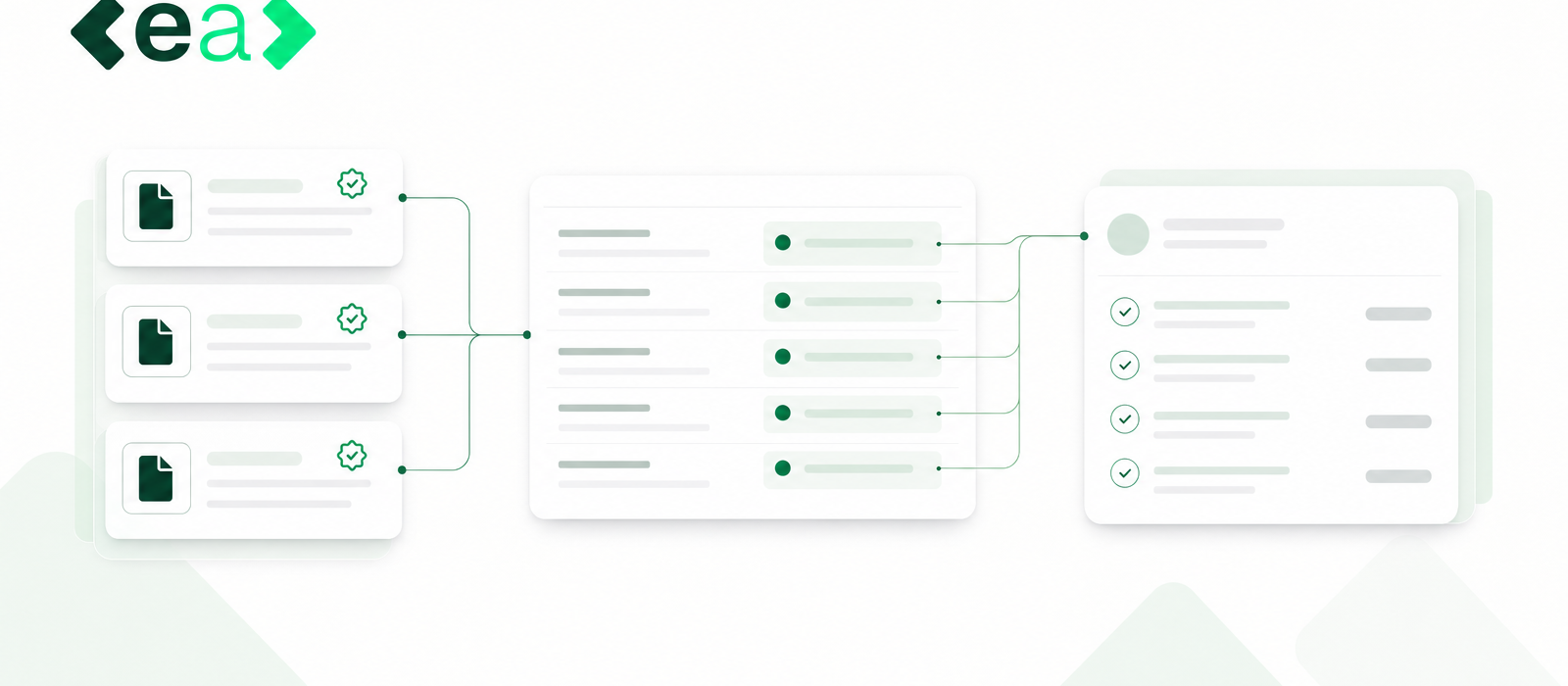
When the evidence path is hidden, the reviewer reconstructs it manually by searching policies, previous responses and shared folders under the same submission deadline. A citation gives the reviewer a more focused starting point: it places the proposed answer beside the relevant source, makes uncertainty visible and allows the claim to be tested before approval.
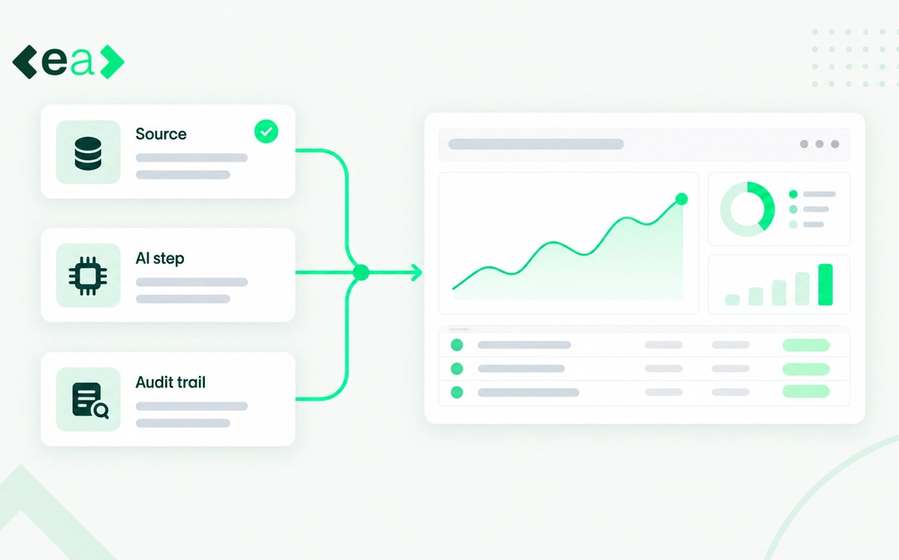
DDQ software adds value when it brings the answer, source and context into the same review process. The reviewer can inspect the basis for the wording without repeating the whole search across five systems.
For example, an answer about access reviews should point to the current control description or policy passage that explains the review process. An answer about certification should identify the certificate, its scope and its validity period. The reviewer can then confirm whether the wording matches the evidence, request a narrower claim or ask the responsible owner for clarification.
The citation should also support a clear next step when the evidence does not settle the question. The reviewer may ask the document owner to confirm the source, record that the answer needs narrower wording or flag a gap for follow-up. That keeps uncertainty visible and prevents an unsupported claim from moving forward simply because the draft reads well.
What a useful citation record should show
A citation can be concise and still support a meaningful review. The record should usually include:
- the source document title;
- the relevant section, passage or page;
- the version or last updated date;
- the relationship between the source and the proposed answer
- a warning when the evidence is incomplete, outdated or awaiting confirmation.
The aim is to help the reviewer assess the claim quickly. A passage from a current policy may support the answer directly. A related document may provide useful background while requiring a subject matter expert to confirm the final wording.
This distinction improves review quality. The platform can identify likely evidence, while the responsible person decides whether the evidence supports the answer in the current context.
Citation helps the source improve as well
The value of a citation continues after the current questionnaire is submitted. It shows which sources support recurring answers and helps the organisation identify documents that deserve clearer ownership or more frequent review.
This follows the same principle as reusing approved answers: the response and its source should remain connected for future work. If a policy changes, the team can identify answers that may need updating. If reviewers repeatedly challenge an answer, the wording or source may need attention.
A completed DDQ can therefore create useful feedback about organisational knowledge. It records where evidence was available, where it was difficult to find and where human clarification shaped the final answer. This keeps the citation trail useful after submission without turning the article into a general software-selection guide.
Human review remains central
Source citation supports judgement. A document may contain relevant language while failing to support the full claim. A policy may describe an intended control while the reviewer needs confirmation about how the control operates. A previous customer answer may have been approved for one scope and require adaptation for another.
The reviewer needs the ability to edit the answer, challenge the source, request clarification and record the final decision. A visible citation makes each of those actions easier to complete reliably. Comments should remain connected to the response and the evidence so the team can understand how the approved wording was reached.
This is especially important for security and compliance questions. Human review gives the subject matter expert a clear opportunity to qualify a statement, replace a source or identify a gap that needs action.
Citation should help someone decide
A source link becomes useful when the reviewer can act on it. Sending someone to a long policy and asking them to search it manually leaves a large part of the evidence task unfinished.
A stronger workflow brings the relevant section into view and explains its connection to the draft. If an answer states that access is reviewed regularly, the reviewer should see the policy language or record supporting that statement. If the source is ambiguous, the workflow should leave the uncertainty visible and create a clear route to clarification.
This also supports different reviewers. A security specialist can focus on the control, a legal reviewer can examine the commitment and a bid manager can check whether the answer responds to the customer. Everyone works from the same underlying evidence and records the decision in the shared process.
How EA approaches evidence-aware DDQ work
EA can search approved organisational knowledge, including policies, previous responses and supporting documents, then use relevant information to prepare a draft for review. The team can inspect the source material, adapt the response to the customer’s wording and involve the people responsible for the subject.
The workflow described in How EA completes a 100-question supplier questionnaire illustrates the value of bringing retrieval and review together. The draft gives the reviewer a useful starting point, while the evidence trail keeps the decision grounded in the organisation’s own information.
The reviewer remains responsible for the final response. EA’s role is to reduce repetitive information gathering, make relevant knowledge easier to find and keep questions, comments and approval visible. This gives the team a clearer route from evidence retrieval to accountable approval.
That visibility supports a more deliberate approval decision. If your team wants to see how EA can support evidence-aware questionnaire work, book a demo or try EA free for seven days.