If you have ever copied an RFP question into ChatGPT, you aren’t alone. For many bid writers, it has become a fast way to overcome a blank page and generate a first draft in seconds.
However, with RFPs come confidential information, approved company messaging, evidence, and internal review processes. Where ChatGPT may be perfect to write up low-cost email responses and general admin, the requirements of RFPs have higher stakes, and the limitations of general-purpose AI tools can become much more apparent during the process..
The question, then, is not whether ChatGPT can write an answer, but whether it can support the entire tender response process.
Where ChatGPT Can Help
It’s important to recognise that ChatGPT isn’t all bad. Used appropriately, it can save time and help teams communicate more clearly.
For example, it can help to:
- Summarise lengthy tender documents and identify key requirements.
- Generate first drafts for low-risk questions.
- Rewrite existing responses to improve clarity.
- Brainstorm ideas when approaching a new question.
- Create checklists or action plans from tender documentation.
For individual tasks like these, ChatGPT can be a valuable writing assistant.
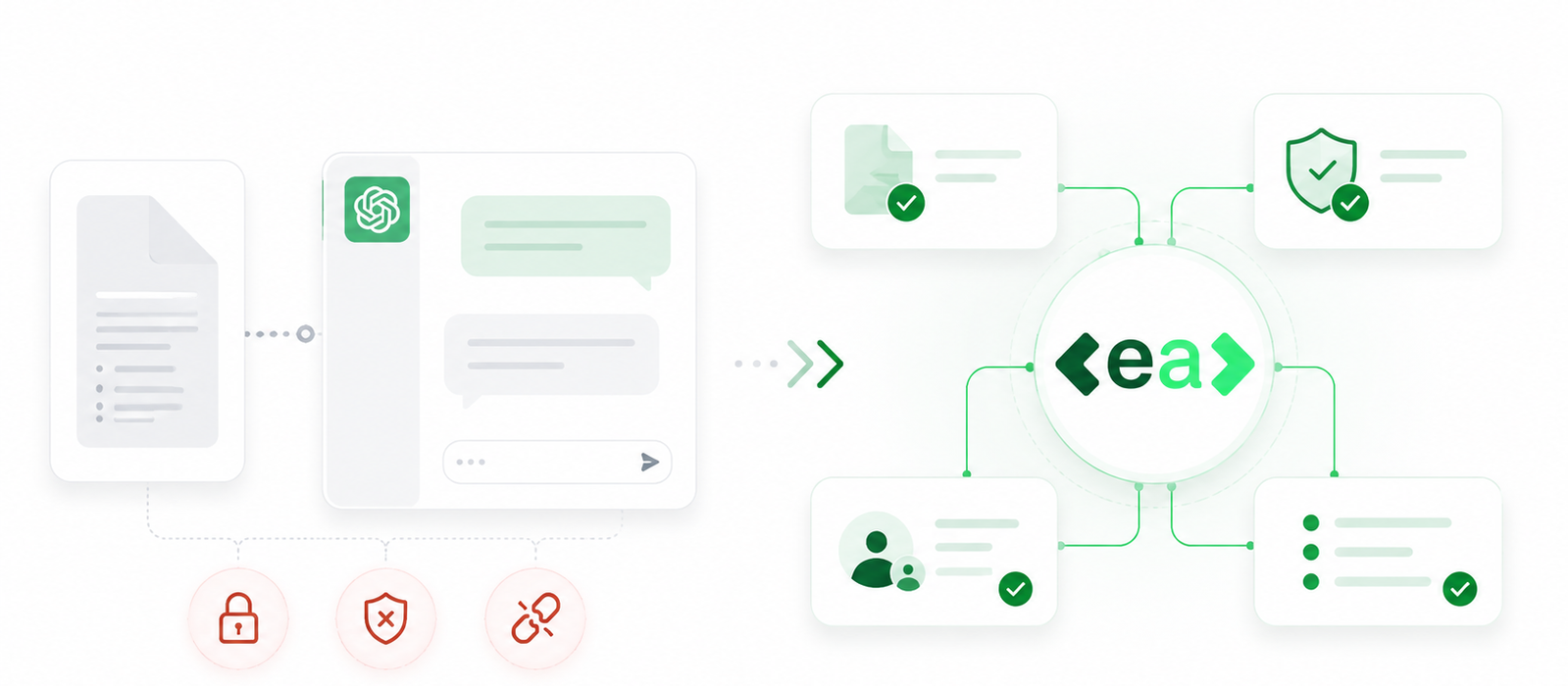
However, tender responses involve much more than just producing well written answers. They require access to accurate information, trusted evidence, and consistent governance across every single submission. It is within these crucial places that tools like ChatGPT reach their limit.
6 Reasons Why ChatGPT Isn’t Enough for Quality Tenders
- Organisational Memory
Every organisation develops valuable knowledge over time. Winning responses, approved messaging, preferred terminology and customer-specific wording all contribute to making future bids stronger.
Though it does have memories, ChatGPT can not always perfectly catalogue every piece of information from past conversations, and users must be cautious that the tool can fabricate (hallucinate) information. This means that users must repeatedly explain their company, products and preferred language, as well as thoroughly ensure that all facts are accurate for every new submission.
Purpose-built RFP software, on the other hand, builds upon your organisation’s knowledge over time, drawing on previous submissions to allow teams to start from approved responses rather than starting again with every new tender.
2. Approved Content
Unfortunately, generating a convincing answer is not the same as generating the correct answer.
Enterprise bid teams need confidence that responses reflect the latest wording approved by Legal, Security, Compliance, and subject matter experts. They also need to know when that wording changes.
ChatGPT was not built for this specific purpose, so it cannot be trusted to distinguish between content that has been formally approved and content that it has generated itself. This means that every response generated by ChatGPT still requires thorough manual verification before it can be submitted.
3. Confidentiality and Data Governance
From pricing strategies and technical documentation to customers information and internal policies, tender responses frequently include commercially sensitive information. Before uploading information to any AI tool, organisations must understand how it is processed, stored, and governed, and whether its use aligns with internal security policies and customer commitments.
Unless the user has opted out, ChatGPT improves by training on the conversations people have with it, meaning that data confidentiality is not guaranteed for sensitive company information.
Purpose-built RFP AI platforms are designed with those governance requirements in mind, giving organisations greater confidence when working with sensitive business information.
4. Traceability and Evidence
Strong tender responses are evidence-backed. Reviewers often need to know where a statement came from and which supporting document validates it.
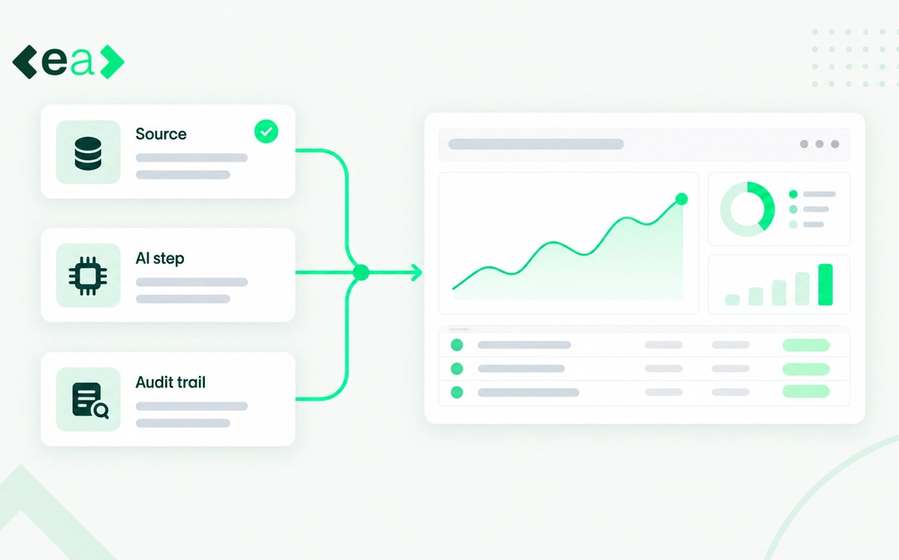
Whilst ChatGPT can generate an answer, it cannot provide the audit trail behind it. RFP responders need every response to be connected to a trusted evidence source and supported by a clear review history.
5. Collaboration and Review
Responding to a tender is rarely the responsibility of one person alone, making collaboration absolutely essential during the RFP response process.
ChatGPT supports an individual conversation, but it does not provide structured review workflows, version control, or collaborative approvals that allow multiple stakeholders to work together with confidence.
6. Continuous Knowledge Improvement
Every completed tender creates new organisational knowledge, where responses are refined, evidence is updated, new questions are answered, and better wording is approved. This knowledge becomes increasingly valuable for future responses, but ChatGPT does not retain those improvements between conversations.
In contrast, purpose-built RFP AI tools capture every new response to inform the next, allowing every submission to strengthen future answers rather than starting the process from scratch every time.
This results in faster drafting, but also a response process that becomes increasingly consistent, efficient, and reliable over time.
So, Can You Use ChatGPT for Tender and RFP Responses?
The short answer is yes, you can use ChatGPT for tender and RFP responses, but whether you should use it over purpose-built RFP AI tools is up for debate.
Whilst ChatGPT is a good time saver for brainstorming ideas, summarising tender documents or producing initial drafts, organisations should not mistake a writing assistant for a complete tender response solution.
When responses rely on approved company information, supporting evidence, confidential data or collaboration across multiple stakeholders, the challenge extends beyond just generating text. At that point, organisations need confidence that every answer is accurate, approved, traceable, and consistent with previous submissions.
The good news is, although these necessities are not achievable with ChatGPT, there are AI tools that have been designed specifically for them.
How EA Enhances the RFP Process
EA was built specifically for organisations responding to RFPs, tenders, and complex business questionnaires. Rather than acting as a standalone writing assistant, it combines AI with your organisational knowledge, governance, and collaboration to support the entire response process.
Here’s how EA delivers what ChatGPT cannot:
- Organisational Memory
EA retrieves answers from your organisation’s approved knowledge base, allowing teams to reuse trusted responses, preferred language, and winning content instead of starting from a blank prompt with each new submission.
2. Approved Content
Responses are based on content that has already been reviewed by the appropriate stakeholders, helping teams maintain consistency and confidence across each new submission.
3. Confidentiality and governance
Unlike free AI tools that have a commercial incentive to learn from whatever you upload, EA never uses customer data to train its AI models. Everything you put into EA stays in a secure, access-controlled environment that is encrypted, hosted in the EU, and only ever visible to the people in your organisation you choose to share it with.
4. Traceability and Evidence
Every response can remain linked to the evidence that supports it, making it easy to verify claims, demonstrate where information has come from, and maintain a clear audit trail.
5. Collaboration and Review
With EAs collaborative functionality, subject matter experts, legal, security, and bid teams can work together within a structured review and approval workflow, ensuring that every response is reviewed by the right people before submission.
6. Continuous Knowledge Improvement
Every approved response, review, edit, and updated document strengthens your organisation’s knowledge base, making future tenders faster, more consistent and easier to manage.
Instead of only generating answers, EA helps organisations to build a repeatable, trusted response process, giving bid teams confidence that every submission is accurate, consistent, and backed by the knowledge that their organisation has already approved.
Do you want to see the benefits of EA’s purpose-built RFP AI software in action? Book a demo or try it free today.