Every EcoVadis cycle produces a pack of policies, reports and supporting files. A year later that pack is often hard to find. People have left. Folders have been renamed. The questionnaire has changed, and nobody is sure which document was used for which answer.
This article covers how EA keeps that pack usable between assessments: treating last year’s files as a baseline rather than clutter, writing the submitted version back to the shared library, recording a light trail when a file is replaced, and limiting access so history stays organisational rather than personal. That is valuable because EcoVadis evidence upload can then start from known files instead of a reconstructed drive.
EA can retrieve previous evidence and attach it to draft answers. People still decide what is current enough to reuse. EA does not award a medal, guarantee a score or replace EcoVadis.
Last year’s pack is a baseline, not clutter
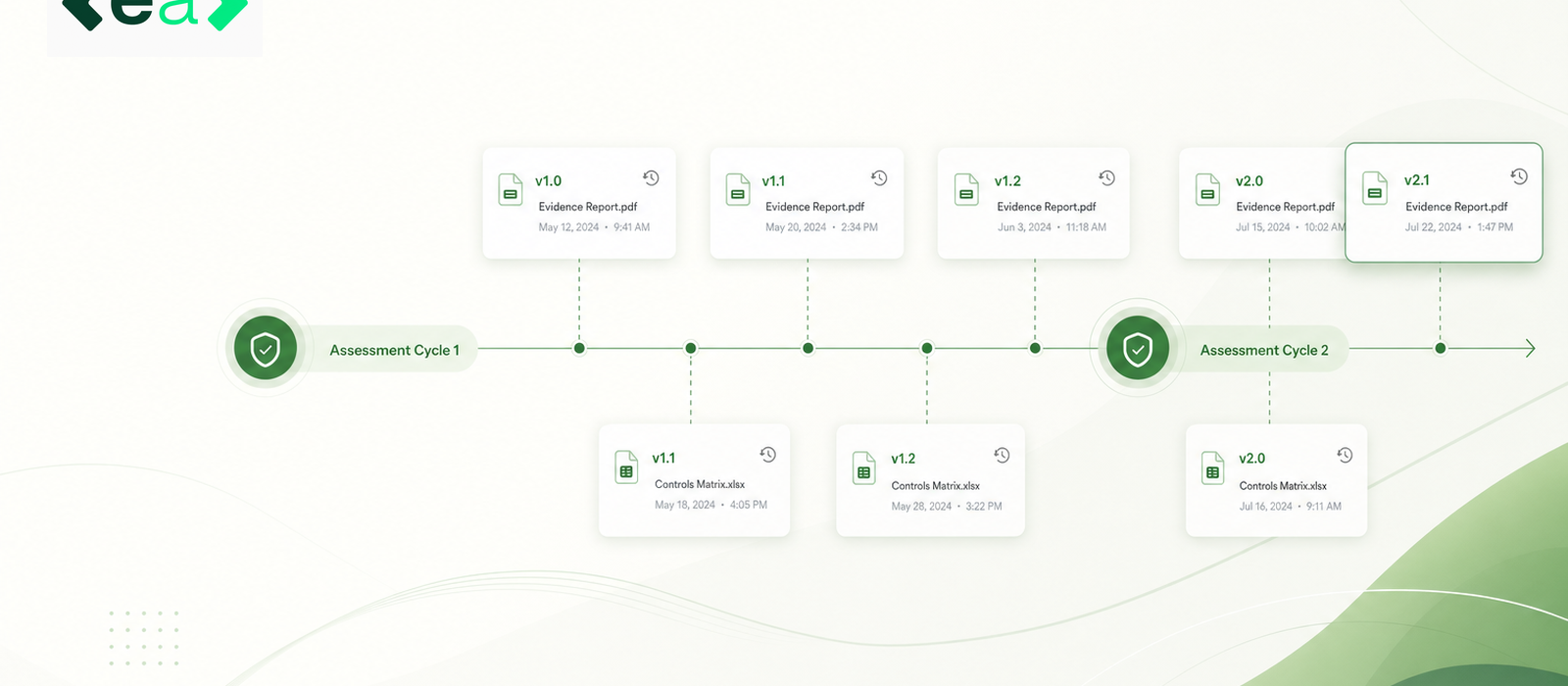
Keeping only the latest PDF makes the library look tidy and makes comparison harder. When an analyst or an internal reviewer asks what changed, the team needs the previous version.
A baseline also speeds the next upload. Many documents will still be valid. The team can confirm them quickly and spend time on the files that actually moved: a new emissions report, an updated supplier code, a refreshed training record.
History should be organised by document and by assessment cycle. “Environment policy, 2025 submission, 2026 replacement” is easier to use than a folder called Final_Final_v7.
Write-back keeps the working file and the submitted file connected
A common failure is that someone edits a local copy, uploads it to EcoVadis, and never saves that copy back to the shared library. The next cycle then starts from the older shared file.
Write-back means the version used in the assessment becomes the version the organisation keeps. Comments, approval and the upload event sit with that file. The library and the submission stay aligned.
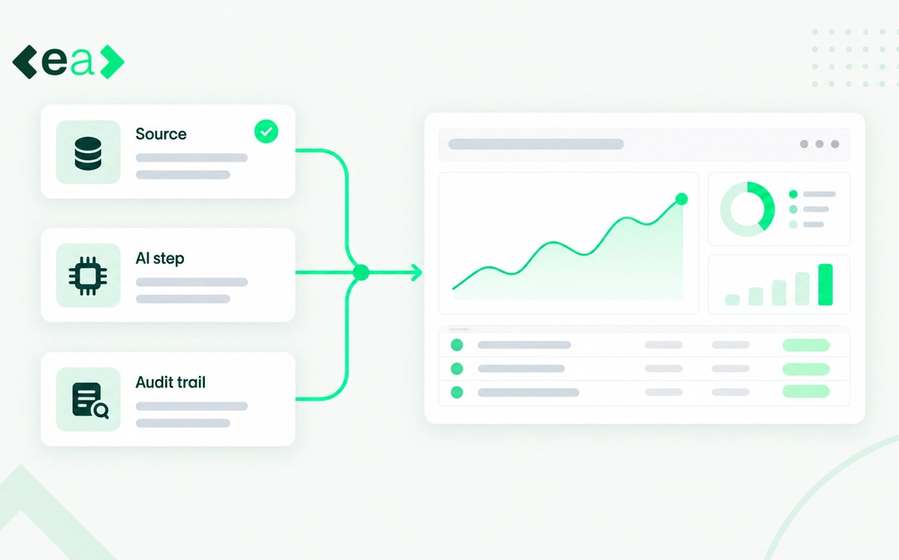
EA’s EcoVadis questionnaire workflow is designed to gather evidence with answers. Preserving history is the maintenance step around that workflow. The upload is not the end of the document’s life but a recorded moment in it.
An audit trail should explain replacements, not demand an essay
When a policy is replaced, the trail should answer three questions: what changed, who approved the new file, and which assessment it was used in. That is enough for most internal reviews.
It also helps when a scorecard theme moves. If Ethics improved, the team can point to the new code of conduct and the date it was approved. If a theme stayed flat, they can see that the same evidence was reused.
A forced essay on every upload will be skipped. A few structured fields will be completed.
History has to live where the organisation can find it
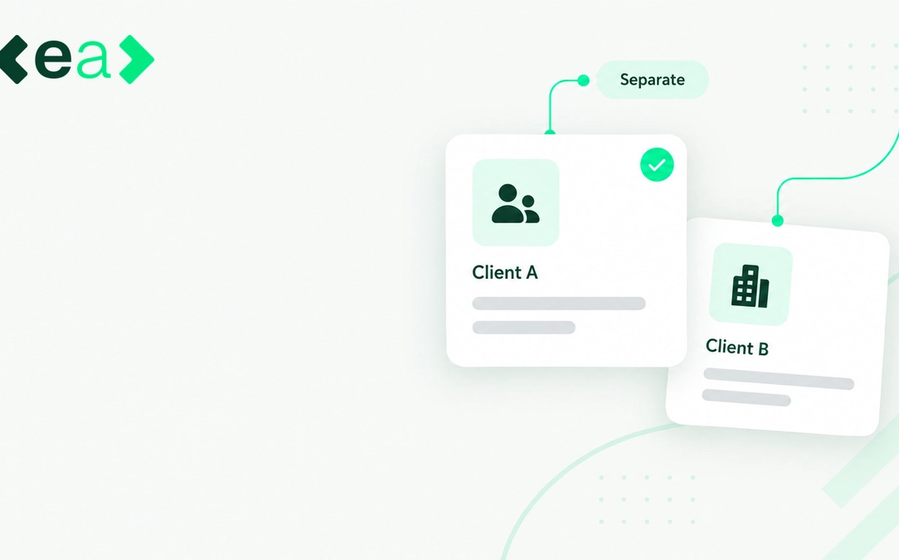
Evidence packs contain internal detail. History is useful to the sustainability lead, theme owners and reviewers. It does not need to be a public archive.
If it lives in personal drives, it is not organisational history. It disappears with the person. Clear access, named owners and a known location matter as much as the files themselves.
What this is worth to the team
Handled this way, EA does three things a reconstructed folder will not:
- It keeps last year’s pack retrievable. Previous files stay organised by document and cycle, so the team is not hunting through email.
- It keeps the submitted version in the library. Write-back and a short replacement trail mean the next cycle starts from what was actually uploaded.
- It leaves judgement with people. EA retrieves and attaches evidence; it does not certify that a file is still valid or submit the assessment.
When you assess evidence history between EcoVadis assessments, those are the tests: can the team retrieve the files used last cycle; does the submitted version write back; are replacements recorded with owner, date and a short reason; can current and previous versions be compared without hunting; and is access clear and limited to the people who need it?
History makes the next upload easier.
Would you like to see how EA helps teams reuse EcoVadis evidence with review still in place? Book a demo or try EA for free.